Complete Guide to Compare Island Resorts: Operational & Structural Analysis
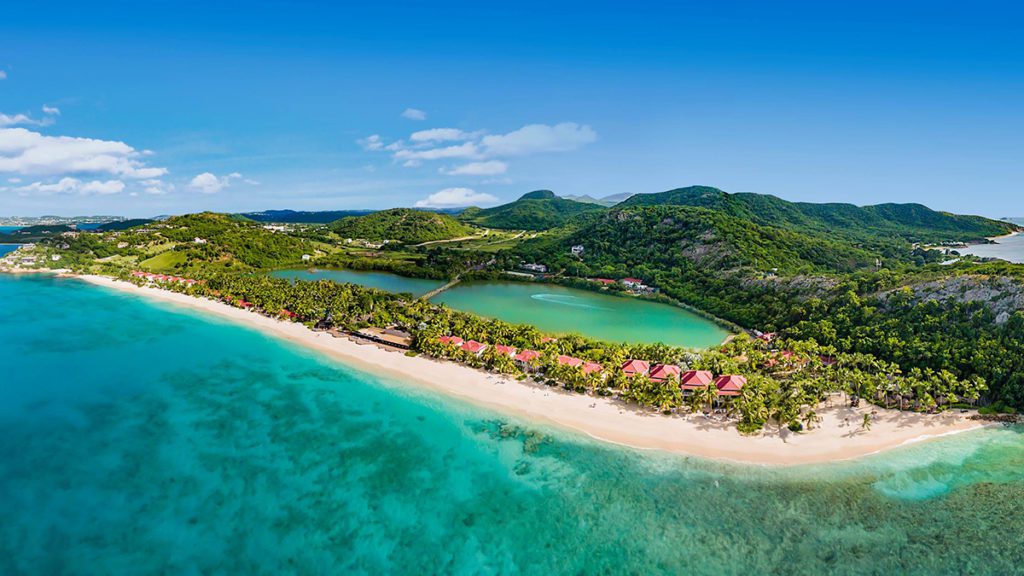
Selecting an island resort is frequently reduced to a superficial exercise in aesthetic comparison. Many travelers contrast promotional photography and align baseline budgets with seasonal rate cards. Yet, an island resort is not merely a static hotel room situated on land surrounded by water. Instead, it operates as a self-contained logistical ecosystem and an isolated micro-economy. Here, geography dictates every operational reality. When industry analysts evaluate these properties, they often overlook invisible dependencies like desalination processes, marine supply chains, microclimate volatility, and staff-to-guest ratios. Ultimately, these factors determine the lived experience. Surface-level reviews focus heavily on interior finishes while ignoring the systemic factors that separate a seamless tropical retreat from an isolated logistical liability.
The complexity of evaluating these destinations stems from the inherent friction between marketing narratives and operational constraints. An island that appears tranquil in promotional materials may suffer from severe tidal restrictions or extreme humidity profiles. Furthermore, the experiential variance between an atoll-based overwater bungalow and a volcanic mountain eco-lodge is vast. Because of this, reviewers need entirely different mental models for assessment. Without a structured methodology, decision-makers fall prey to cognitive biases by anchoring on visual symmetry while ignoring structural vulnerabilities.
This guide provides an exhaustive analytical framework for examining, evaluating, and categorizing island resorts. By dissecting structural typologies, operational dependencies, and financial architectures, this analysis moves beyond marketing gloss. Consequently, it establishes a definitive reference model for high-fidelity destination assessment.
Understanding Island Resorts
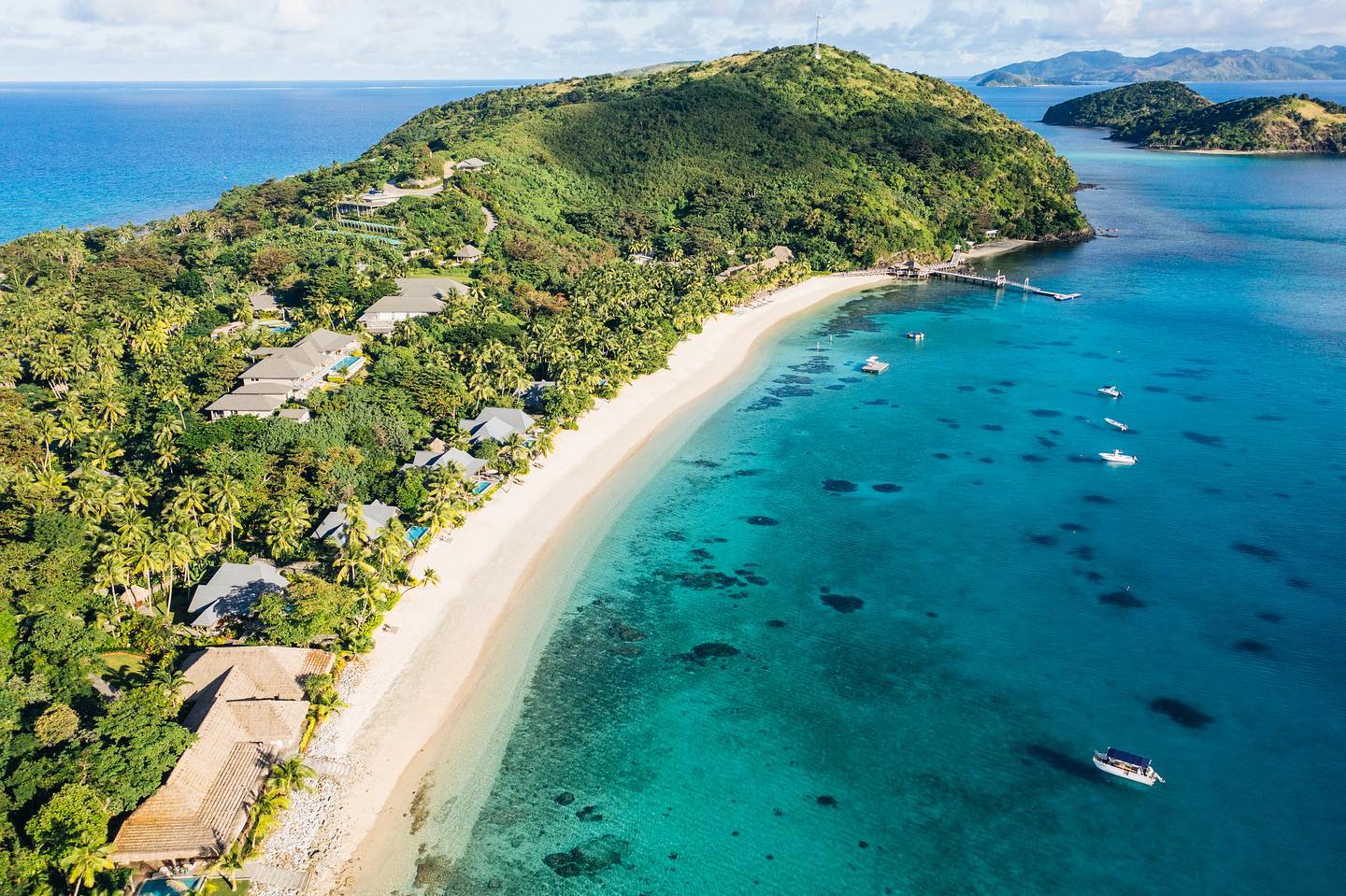
The imperative to compare island resorts extends far beyond simple preference matching. It requires a systematic deconstruction of how distinct geographical, architectural, and operational variables interact to produce a specific outcome. At its core, this comparative process involves evaluating properties by their systemic coherence rather than their individual amenities. For example, a resort featuring world-class culinary programs can be fundamentally undermined by poor freshwater management. Therefore, a meaningful comparative analysis must dismantle the resort into its core functional pillars: accessibility, ecological carrying capacity, service architecture, infrastructure resilience, and spatial design.
A primary risk in oversimplifying this evaluation involves the homogenization of tropical environments. Novice analysts often assume geographic proximity equates to experiential equivalence. Consequently, they might treat a private coral atoll in the Indian Ocean the same as a volcanic caldera resort in the South Pacific. However, each environment introduces radically different operational constraints. For instance, low-lying atolls face acute freshwater scarcity and high vulnerability to tidal surges. Conversely, mountainous volcanic islands present steep terrain logistics and complex wastewater management challenges due to permeable soils.
Furthermore, comparative evaluations must account for the temporal dimension of island stays. A resort that functions impeccably during the dry shoulder season may experience severe logistical bottlenecks during peak monsoon periods when supply boats cannot dock safely. By examining how resorts manage isolation, analysts can transcend superficial metrics and evaluate properties based on structural reliability.
Contextual Background and Systemic Evolution of Island Hospitality
The modern island resort is the product of a century-long evolution in maritime logistics, aviation, and global tourism economics. In the early mid-twentieth century, remote island stays were the exclusive domain of maritime travelers and the ultra-wealthy utilizing private yachts. Accommodations were rudimentary, relying on local building materials and natural ventilation. The concept of the luxury island resort as an isolated enclave did not crystallize until the advent of commercial long-haul aviation and seaplane transfer networks in the post-war era.
As aviation opened previously inaccessible archipelagos, hospitality developers shifted from adaptive reuse to greenfield mega-projects. This era introduced the engineering marvels of the modern tropical resort: land reclamation for airstrips, massive diesel-generator microgrids, and imported construction materials designed to withstand hyper-saline environments. However, these early expansion phases often ignored local ecological carrying capacities. As a result, they led to coral reef degradation and heavy reliance on imported fossil fuels.
In recent decades, the paradigm has shifted toward managed isolation and eco-sensitive engineering. The proliferation of overwater bungalows—pioneered in the South Pacific—redefined high-end travel by maximizing direct marine access while minimizing terrestrial footprints. Concurrently, rising energy costs and tightening regulations have forced operators to adopt sophisticated sustainability infrastructure, including utility-scale solar arrays and advanced greywater recycling. Understanding this trajectory is essential for evaluating contemporary properties. A resort built on legacy infrastructure from the 1980s presents fundamentally different risk profiles than a carbon-neutral property engineered recently.
Conceptual Frameworks and Mental Models for Evaluation
To navigate the vast complexity of island properties, analysts must deploy structured mental models that isolate critical variables from marketing noise.
The Isolation-Accessibility Matrix
This model plots properties across two axes: geographic isolation versus infrastructure self-sufficiency. High isolation combined with low self-sufficiency creates acute vulnerability to supply chain shocks. Conversely, high self-sufficiency on an isolated property requires substantial capital expenditure and redundant engineering systems.
The Ecological Footprint-to-Luxury Ratio
This framework evaluates the environmental cost of maintaining a specific luxury standard. It examines how a resort sources its water, energy, and food relative to its guest density. Properties that achieve high comfort levels while localizing resource loops demonstrate superior long-term viability compared to properties dependent on continuous external supply lines.
The Spatial Density and Privacy Gradient
Island resorts manage guest perception of exclusivity primarily through spatial distribution. This model evaluates the ratio of usable land area to total room count. It analyzes how private pathways, acoustic buffering, and architectural orientation prevent crowding during peak occupancy cycles.
Analytical Limitation: Mental models simplify reality to highlight specific vectors of risk or performance. They cannot fully capture unpredictable geopolitical shocks, sudden macro-economic shifts, or extreme weather anomalies. Therefore, they serve as diagnostic lenses rather than infallible predictors.
Typologies, Categories, and Structural Variations
Island resorts diverge significantly based on geological origin, architectural layout, and target operational models. Recognizing these categories prevents false equivalencies during evaluation.
| Resort Typology | Primary Geological Setting | Infrastructure Characteristics | Primary Operational Trade-Off |
| Atoll / Coral Island | Low-lying coral formations, often ring-shaped. | Extensive overwater construction, desalination plants, solar microgrids, artificial breakwaters. | High vulnerability to sea-level rise and tidal surges; strict freshwater limitations. |
| Volcanic / Mountainous | Elevated volcanic peaks, steep terrain, dramatic topography. | Terraced architecture, funiculars or steep access roads, deep-well water systems. | Complex wastewater management and erosion control; limited beachfront areas. |
| Continental Cays / Barrier Islands | Sand bars and sediment deposits near continental landmasses. | Bridge or causeway connectivity, grid-tied utilities, traditional coastal hardening. | Higher exposure to mass tourism and mainland weather patterns. |
| Private Island Enclaves | Standalone micro-islands managed as single-entity resorts. | Total vertical integration of utilities, staff housing complexes, dedicated airstrips or marinas. | Extreme operational overhead and single-point-of-failure vulnerability for supply chains. |
| Eco-Lodge Archipelagos | Protected marine parks or remote forest-fringed islands. | Low-impact timber construction, raised boardwalks, composting systems, natural cooling. | Compromised modern luxury amenities (e.g., intermittent air conditioning) for ecological purity. |
Decision Logic for Typology Selection
When evaluating these categories, decision-makers must weigh environmental vulnerability against logistical convenience. Atoll resorts offer peerless marine immersion and absolute privacy. However, they demand immense energy inputs for climate control. Volcanic island resorts provide dramatic visual landscapes and reliable subterranean water sources. On the other hand, navigating steep topography restricts mobility for guests with accessibility requirements and complicates civil engineering maintenance.
Detailed Real-World Operational Scenarios
Analyzing how island resorts perform under operational stress reveals systemic strengths and hidden vulnerabilities that static brochures conceal.
Scenario A: The Peak Monsoon Supply Chain Disruption
An atoll-based luxury resort during the height of the southwest monsoon experiences three weeks of sustained gale-force winds and high swells. Consequently, these conditions halt all domestic seaplane transfers and cargo boat deliveries. Fresh produce reserves deplete within 72 hours, and fuel stocks for diesel generators dwindle. Inadequate cold-storage capacity leads to food spoilage, while reliance on single-source fuel delivery causes rolling blackouts. Furthermore, staff burnout accelerates as stranded guests require continuous service without incoming shift rotations. Financial liability mounts as the property absorbs extended accommodation costs.
Scenario B: Subterranean Saline Intrusion on a Volcanic Island
A mountainous island resort relying on coastal freshwater wells experiences severe saltwater intrusion into its aquifers. This issue typically stems from over-extraction and prolonged drought conditions. Because municipal water grids do not exist on the island, existing filtration units fail or clog rapidly under high mineral loads. Meanwhile, landscape vegetation begins to die off. Increased energy draw for emergency desalination causes grid instability, while operational expenditures surge unexpectedly.
Financial Dynamics, Direct and Indirect Cost Structures
The financial architecture of island resorts is characterized by high fixed capital expenditures, elevated operational overheads, and extreme revenue volatility driven by seasonality and macroeconomic conditions.
| Cost Category | Direct Elements | Indirect / Hidden Elements |
| Logistics & Supply | Freight forwarding, maritime shipping, aviation fuel for seaplanes. | Spoilage rates during transit, custom clearance delays, storage warehousing fees on mainlands. |
| Infrastructure Maintenance | Corrosion-resistant materials, marine engineering, roof repair, generator overhauls. | Premium technician dispatch fees for remote island locations, specialized part importation tariffs. |
| Human Resources | Base wages, international recruitment, staff uniforms, multi-lingual training. | On-island housing complexes, subsidized meals, rotational repatriation flights, retention bonuses. |
| Utility & Environmental | Desalination power draw, solar maintenance, wastewater treatment chemicals. | Environmental compliance audits, carbon offset purchases, coral reef remediation levies. |
Opportunity Costs and Capital Variability
Operating in isolation imposes severe opportunity costs. Capital tied up in maintaining emergency asset redundancies—such as backup marine engines and extensive dry-goods stockpiles—cannot be deployed toward guest-facing innovations. Furthermore, revenue is highly sensitive to external shocks. Geopolitical unrest or aviation fuel price spikes can instantly compress occupancy rates from ninety percent to zero. Meanwhile, fixed operational overheads remain completely inflexible.
Operational Tools, Logistics, and Support Systems
Maintaining a high-functioning island resort requires an integrated suite of specialized operational tools and management systems designed to bridge physical isolation.
-
Marine & Aviation Telemetry Tracking Systems: Real-time software monitoring weather radar, wave heights, and seaplane positioning to manage transfer windows safely.
-
Microgrid Energy Management Software: Automated control systems balancing solar generation, battery storage reserves, and diesel generator load factors to optimize fuel consumption.
-
Reverse-Osmosis Plant Automation Monitors: IoT-enabled sensor arrays tracking total dissolved solids, membrane pressure, and filtration efficacy to ensure continuous potable water output.
-
Property Management Systems with Inventory Buffering: Specialized hospitality software configured to track perishable stock levels, linen lifecycles, and remote maintenance ticket closures.
-
Waste-to-Energy and Composting Units: Industrial biodigesters and pyrolysis units that process organic waste on-site, reducing the volume of outbound barge shipments.
-
Emergency Medical Tele-Guidance Units: Satellite-linked medical stations equipped to interface with mainland trauma centers for remote patient stabilization prior to evacuation.
Systemic Limit: These tools rely on uninterrupted satellite communication and stable power supplies. In the event of a catastrophic lightning strike or severe systemic failure, manual overrides require highly trained on-site engineering personnel, whose availability on remote islands is often scarce.
Risk Landscape, Vulnerabilities, and Failure Modes
The risk profile of an island resort is defined by compounding vulnerabilities. A minor initial failure frequently cascades through interconnected utility and logistical chains, creating systemic crises.
Taxonomy of Risks
-
Climatic & Environmental Vulnerabilities: Rising sea levels, coral bleaching events, destructive tropical cyclones, and shifting seasonal rainfall patterns that disrupt foundational ecosystems.
-
Logistical Bottlenecks: Heavy reliance on single-channel maritime ports or narrow airstrips, making the property vulnerable to labor strikes, fuel shortages, or infrastructural damage.
-
Human Capital Fragility: High staff turnover driven by isolation fatigue, housing constraints, and limited career progression within isolated enclaves.
-
Utility Interdependence: Total coupling of power generation, water production, and waste processing. Because of this, a failure in the central power grid instantly halts water desalination and sewage treatment.
Compounding Failure Cascades
Consider a scenario where severe weather damages a resort’s primary solar array and knocks out the main undersea communication cable. Consequently, the power loss shuts down the reverse-osmosis plant. Without power and communication, the property cannot process credit card transactions or coordinate emergency medical evacuations. This rapidly escalates a routine weather event into a critical health and safety emergency.
Governance, Maintenance, and Long-Term Adaptation
Ensuring the longevity of an island resort requires rigorous governance frameworks, continuous structural monitoring, and proactive capital expenditure planning. Unlike urban hospitality properties that benefit from municipal infrastructure redundancy, island properties must function as sovereign micro-municipalities.
Monitoring and Review Cycles
-
Daily Structural Inspections: Salt-spray corrosion checks on metal fastenings, electrical junctions, and structural timber frames.
-
Monthly Environmental Audits: Assessment of reef health, beach profile surveys to monitor erosion, and water table salinity testing.
-
Annual Engineering Overhauls: Comprehensive dry-docking or servicing of marine transfer vessels, deep maintenance of generators, and recertification of life-safety systems.
Layered Maintenance Checklist
-
Verify integrity of coastal erosion barriers including breakwaters, geo-textile tubes, or re-nourished dunes.
-
Inspect wastewater outflow and treatment efficiency to prevent lagoon contamination.
-
Test secondary and tertiary power generation failover switches under simulated load.
-
Audit cold-chain integrity across all food storage and preparation facilities.
-
Review staff emergency evacuation protocols and medical supply expiration dates.
Measurement, Tracking, and Evaluation
To determine whether an island resort is operating efficiently and sustainably, leadership must balance quantitative operational metrics with qualitative feedback loops.
-
Leading Indicators: Preventive maintenance completion rates, fuel efficiency per guest-night, water production cost per cubic meter, and advance booking lead times.
-
Lagging Indicators: Net Promoter Scores, repeat guest ratios, annual employee retention percentages, and structural repair expenditures as a percentage of total revenue.
-
Qualitative Signals: Staff morale observations, guest feedback regarding service recovery speed, and local marine biodiversity health reports.
Documentation and Record-Keeping Examples
-
Utility Consumption Log: Tracking kilowatt-hours generated via solar versus diesel, alongside daily liters of desalinated water produced and consumed.
-
Marine Impact Assessment Register: Documenting annual coral cover percentages, fish population density transects, and beach sand volume measurements.
-
Asset Depreciation and Hardening Schedule: Maintaining a ten-year rolling audit tracking coastal material degradation and scheduled replacement cycles for saline-exposed infrastructure.
Common Misconceptions, Myths, and Oversimplifications
The public discourse surrounding island resorts is plagued by persistent myths that obscure operational realities.
-
Myth: Island resorts are completely self-sustaining tropical Edens.
-
Correction: Most luxury island resorts are heavily dependent on complex global supply chains, importing everything from fuel and frozen meats to skilled management labor from thousands of miles away.
-
-
Myth: Overwater bungalows have zero terrestrial environmental impact.
-
Correction: While they preserve terrestrial land areas, overwater structures can disrupt benthic marine ecosystems, cast shadows that inhibit coral growth, and complicate greywater containment.
-
-
Myth: Climate change vulnerability affects all islands equally.
-
Correction: Low-lying coral atolls face existential tidal inundation threats. Conversely, high volcanic islands face severe inland erosion, flash flooding, and landslip risks while remaining secure from sea-level immersion.
-
-
Myth: Private islands eliminate logistical friction.
-
Correction: Private ownership often multiplies logistical friction because the operator must independently fund, construct, and maintain every facet of infrastructure that municipal governments typically provide.
-
-
Myth: Isolation guarantees absolute privacy and tranquility.
-
Correction: High guest density on small islands can paradoxically reduce privacy, while acoustic carryover across calm lagoon waters can amplify noise pollution.
-
-
Myth: Staff happiness on remote islands mirrors mainland urban hospitality.
-
Correction: Isolation fatigue is a major psychological challenge. Managing staff well-being requires robust rotation schedules, recreational facilities, and comprehensive mental health support.
-
Ethical, Environmental, and Socio-Economic Considerations
The operation of high-end island resorts in fragile tropical ecosystems introduces profound ethical and socio-economic responsibilities. Resorts often occupy land historically utilized by indigenous fishing communities or situated within globally significant biodiversity hotspots. Consequently, operational practices must extend beyond bare-minimum environmental compliance to embrace active ecological stewardship and equitable community integration.
Socio-economically, resorts must navigate the fine line between economic empowerment and cultural displacement. Importing a foreign labor force while offering only low-wage service roles to local populations creates structural inequality. Conversely, robust localized training programs, fair-wage frameworks, and partnerships with local agriculture can transform a resort into a stabilizing economic engine for an entire region. Furthermore, environmental ethics demand that resorts transparently measure and mitigate their carbon footprint, eliminate single-use plastics from their supply chains, and actively fund marine conservation zones that protect local coral reefs and pelagic species.
Analytical Synthesis and Decision Judgment
Evaluating island resorts requires casting aside superficial marketing narratives in favor of rigorous, multi-dimensional analysis. Whether the goal is selecting a destination for a specialized retreat or designing a long-term hospitality asset, the defining variables are never merely aesthetic. Instead, they are rooted in engineering resilience, logistical foresight, ecological stewardship, and operational maturity.
An exceptional island resort harmonizes human comfort with environmental constraints, acknowledging that true luxury in an isolated setting is not excess. Rather, it represents seamless reliability, ecological harmony, and profound respect for the delicate geography it inhabits. By applying structured frameworks, recognizing underlying vulnerabilities, and evaluating properties through a lens of systemic operational depth, analysts and decision-makers can navigate the complex geography of island hospitality with clarity, precision, and enduring authority.