How to Plan Island Resorts Weddings on a Budget: Ultimate Guide
Navigating the financial architectures, maritime supply chain constraints, and logistical engineering required for tropical destination events reveals a complex operational sub-sector within international hospitality real estate. Conventional wedding planning literature frequently reduces island ceremonies to static promotional packages or simplified vendor checklists. However, executing memorable celebrations across isolated tropical atolls and volcanic cays under strict fiscal constraints demands sophisticated project management. Planners must balance remote island utility provisioning, severe marine weather vulnerabilities, and complex import tariffs. Furthermore, destination coordinators, asset managers, and couples continually refine financial models to reconcile high-end aesthetic expectations with rigid budgetary caps. As a result, long-term fiscal success and structural event integrity depend heavily on rigorous spatial planning, weather-responsive design, and advanced resource management.
Achieving fiscal efficiency across isolated island event portfolios requires balancing delicate trade-offs between open panoramic exposure and reliable, cost-controlled infrastructure access. Properties must manage expansive open-air architectural configurations exposed to intense salt spray alongside high-performance corrosion-resistant staging, secure guest accommodation blocks, and independent utility systems. Consequently, these technical choices tie overall event viability directly to thoughtful site engineering and continuous logistical oversight. Moreover, analyzing specialized tropical event workflows sheds light on broader shifts in contemporary remote real estate utilization. Therefore, this guide details the structural and operational factors required when people master how to plan island resorts weddings on a budget across diverse regional coral atolls and volcanic archipelagos.
Understanding How to Plan Island Resorts Weddings on a Budget
Semantic Ambiguity and Structural Boundaries
The methodology required to understand how to plan island resorts weddings on a budget involves navigating complex terminology across hospitality management, maritime logistics, and regional tourism standards. Asset analysts, event directors, and couples frequently conflate commercial beach hotel promotions with elite, topographically isolated island properties featuring autonomous microgrids, private marine docking facilities, and comprehensive multi-day event hosting structures. However, this general assumption obscures massive structural variances in regional climate loads, tropical cyclone hazard zones, tidal shifts, and local import tariffs across the Indian Ocean, the South Pacific, the Caribbean, and Southeast Asia.
For instance, hosting a budget-conscious ceremony on a remote coral atoll requires navigating heavy maritime freight surcharges, strict environmental protection ordinances, and limited local vendor pools. Conversely, a volcanic island event in the South Pacific prioritizes seismic structural reinforcement, steep slope stormwater management, and localized transport coordination. Therefore, event planners, couples, and regional coordinators must inspect micro-level zoning laws, import restrictions, and structural engineering specifications closely.
Analytical Rigor versus Surface Impressions
True expertise in executing cost-effective island celebrations requires balancing quantitative financial budgeting against qualitative measures of guest experience, cultural integration, and weather resilience. Unlike urban or suburban venues that rely on dense municipal utility grids and local vendor ecosystems, isolated island properties exist within demanding natural marine environments. When experienced planners examine how to plan island resorts weddings on a budget, they look past superficial design magazine imagery highlighting white-sand beaches. Instead, they assess hidden freight costs, mandatory resort vendor buyouts, localized wind-pressure ratings, and independent backup power reliability. Ultimately, failing to master these financial and operational realities leads directly to severe budget overruns, logistical failures, and compromised event safety.
Deep Contextual Background
The historical evolution of destination event architecture and bundled hospitality offerings in tropical zones traces back to early maritime trading outposts, colonial administrative hill stations, and the mid-twentieth-century expansion of pioneering aviation routes across the Pacific and Caribbean. During earlier eras, vernacular island gatherings relied on raised timber pile construction, woven thatch roofing, and basic local provisioning intended to withstand seasonal monsoon fluctuations without sophisticated climate control technology.
Following the late-twentieth-century expansion of long-haul commercial aviation and decentralized luxury lifestyle preferences, international island real estate underwent a structural shift toward architecturally ambitious, highly efficient private island enclaves. Independent designers began blending traditional regional forms—such as pavilion-style open-air layouts and steep hip roofs—with high-tech marine-grade materials. In recent decades, the acceleration of experiential hospitality and custom event demands has driven unprecedented demand for sustainable, design-forward island sanctuaries. Today, contemporary high-end island properties rely on advanced passive cooling principles, closed-loop desalination and wastewater systems, and smart automation to oversee high-value portfolios safely.
Conceptual Frameworks and Mental Models
Successfully executing cost-effective destination events across global island properties requires deploying rigorous analytical models. These models balance financial expenditure against environmental resilience and logistical exposure.
-
The Logistics-Cost Multiplier Index: Measures the exponential increase in material, floral, and catering expenses driven by remote island freight surcharges and import customs duties, ensuring that initial resort quotes align with final expenditures.
-
The Island Microgrid Autonomy Matrix: Operators evaluate how primary power, freshwater production, and waste management systems utilize secondary and tertiary closed-loop micro-infrastructure to ensure uninterrupted event comfort during prolonged maritime supply isolation.
-
The Topographical Marine Gradient: Analyzes the strategic trade-off between choosing a low-lying coral atoll placement—which maximizes direct lagoon access and tropical aesthetics but increases vulnerability to storm surges—versus an elevated volcanic island ridge location.
Key Categories and Variations
The landscape of premier properties suited for executive and budget-conscious leisure gatherings comprises several distinct structural and operational variations.
| Resort Category | Primary Regional Focus | Typical Architectural & Service Features | Strategic Trade-off |
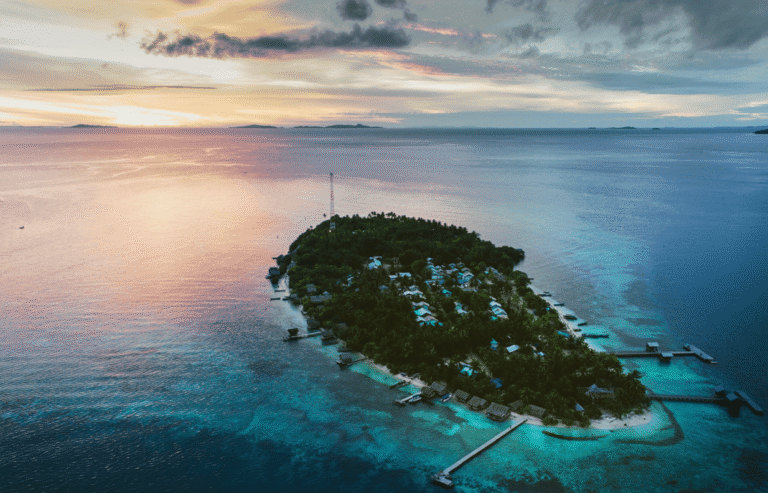
| Coral Atoll Overwater Sanctuaries | Maldives, French Polynesia | Stilt-supported timber villas, direct lagoon immersion, dedicated butler teams | Unmatched aquatic access; high exposure to marine corrosion and storm wave energy |
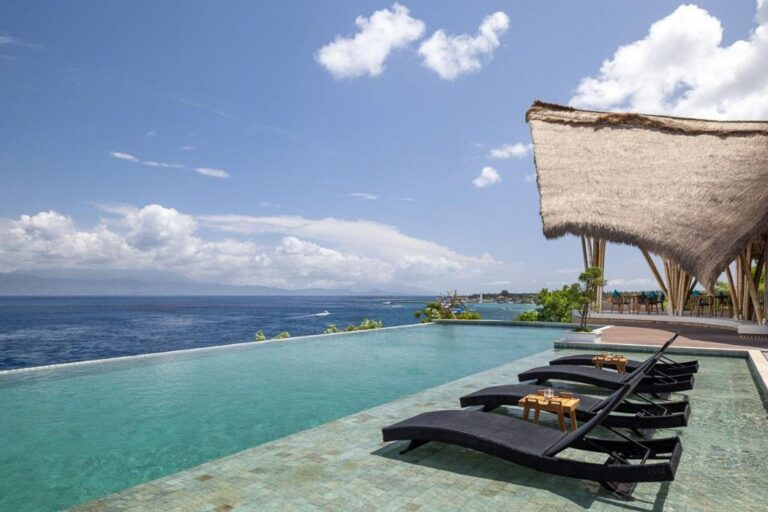
| Volcanic Cliffside Island Retreats | Caribbean, Hawaii, Mediterranean | Tiered stone masonry, cantilevered infinity pools, seismic and wind bracing | Spectacular panoramic vistas; complex vertical logistics and steep foundation costs |
| Private Cay Eco-Resorts | Belize, Bahamas, Great Barrier Reef | Solar microgrids, low-impact tented or timber pavilions, zero-waste mandates | Deep environmental immersion; limited heavy machinery access during construction |
| Jungle-To-Beach Biodiverse Enclaves | Southeast Asia, Fiji, Seychelles | Integrated rainforest canopies, open-air living pavilions, marine biology hubs | Rich natural biodiversity; high humidity control and rapid vegetation management overhead |
| Remote Sub-Tropical Island Estates | Atlantic, Mediterranean, New Zealand | Historic stone walls, wind-deflection garden layouts, private deep-water docks | Exceptional privacy and character; challenging winter maritime transport logistics |
| Atoll Lagoon Sanctuary Compounds | Indian Ocean, Micronesia | Multi-island interconnected villas, private seaplane terminals, comprehensive bundles | Ultimate private seclusion; extreme supply chain vulnerability and logistical costs |
Realistic Decision Logic
Selecting an appropriate design and operational model when professionals analyze how to plan island resorts weddings on a budget requires aligning local environmental severity with target operational objectives. For properties situated along high-velocity wind corridors in tropical cyclone zones, prioritizing heavy reinforced concrete floor slabs anchored by deep marine steel piles prevents structural displacement during severe gales. Conversely, for secluded atoll properties prone to intense solar radiation and high ambient humidity, engineering advanced cross-ventilation architectural profiles and marine-grade corrosion coatings preserves structural integrity against salt-air degradation.
Detailed Real-World Scenarios
The Coral Atoll Storm-Surge Foundation Retrofit
A luxury island resort perched along a low-lying atoll reef in the Indian Ocean incorporates deep-driven concrete anchor pilings and breakaway lower-level wall panels. Consequently, it successfully mitigates wave-action uplift forces without altering its open-air pavilion aesthetic for wedding ceremonies.
The Off-Grid Solar-Desalination Microgrid Integration in the South Pacific
A remote island resort located far from mainland electrical and municipal water grids installs a high-capacity lithium-iron battery bank, multi-megawatt solar arrays, and high-efficiency reverse-osmosis desalination units. Furthermore, this setup guarantees uninterrupted guest comfort and lighting power during evening wedding receptions.
The Volcanic Island Cliffside Erosion Control
Facing dual environmental threats from tropical heavy rainfall runoff and aggressive coastal wave erosion, a modern island property installs sub-grade terraced retaining walls, bio-engineered root stabilization matrices, and specialized marine breakwaters near reception sites.
The Private Cay Supply Chain Maritime Coordination
A premier private island cay in the Caribbean integrates automated inventory tracking and dedicated high-speed supply catamarans. As a result, it safeguards resort operations and event provisioning against unpredictable regional shipping bottlenecks and severe weather windows.
Planning, Cost, and Resource Dynamics
The economic viability and financial budgeting of premier island properties depend heavily on balancing extraordinary custom maritime construction and event production costs against long-term asset appreciation and high-yield operational returns.
-
Maritime Transport and Barge Logistics Outlays: Transporting heavy event staging, specialized marine lighting, and skilled labor to isolated island sites incurs massive logistical premiums.
-
Autonomous Utility Infrastructure Investment: Installing independent solar microgrids, marine desalination plants, and advanced biological wastewater treatment systems demands substantial capital allocation.
-
Opportunity Costs: Failing to account for strict environmental marine commissions, short construction windows limited by seasonal tropical monsoons, and complex import duties can cause severe project delays and budget overruns.
| Cost Dimension | Standard Mainland Coastal Resort | Custom Island Resort Property | Ultra-Exotic Private Atoll Sanctuary |
| Capital Construction Cost | Moderate standard commercial building expense | High investment in marine engineering and corrosion-resistant materials | Extraordinary capital outlays for bespoke island logistics and deep-sea piling |
| Utility & Maintenance Overhead | Standard municipal utility hookups and basic repairs | Scheduled professional marine maintenance, rust mitigation, and beach nourishment | Full-time technical monitoring, desalination servicing, and specialist barge upkeep |
| Logistical Access Overhead | Direct paved road access and standard service vehicles | Private dock berths requiring scheduled ferry or speedboat coordination | Floatplane terminals, helipads, and deep-water tender navigation |
Tools, Strategies, and Support Systems
Executing successful development and management across remote island properties requires integrating advanced digital planning and environmental monitoring tools.
-
BIM and Marine Hydrodynamic Simulation Software: Advanced digital design tools simulate wave action, storm surge run-up, and salt-air corrosion rates on complex island building envelopes.
-
Remote IoT Microgrid and Desalination Telemetry: Smart sensors track battery storage capacities, freshwater production purity, and structural stress strains from off-site dashboards.
-
Automated Cyclone, Wave, and Weather Early Warning APIs: Specialized digital feeds provide real-time data on tropical depression formation vectors, barometric pressure drops, and marine swell heights.
-
Satellite-Linked High-Bandwidth Communications Networks: Secure satellite internet systems ensure uninterrupted operational oversight and guest connectivity in remote ocean dead zones.
-
Smart-Home Humidity and Marine Corrosion Controllers: Automated climate systems maintain baseline interior humidity levels and activate protective closures during severe sea spray events.
-
Specialized Marine Logistics Coordination Platforms: Digital dispatch software manages heavy material transport via specialized barges and landing craft during seasonal wind restrictions.
Risk Landscape and Failure Modes
Operating high-end remote island properties introduces severe environmental and operational vulnerabilities that require comprehensive risk mitigation.
-
Catastrophic Structural Uplift from Tropical Cyclones: Severe gales and storm surges create massive hydrodynamic uplift and lateral pressure, threatening to sweep away overwater structures if improperly anchored.
-
Extended Utility Isolation During Maritime Storms: Severe tropical depressions shut down seaplane transfers and block supply catamarans, stranding occupants without fresh provisions or emergency evacuation routes.
-
Undetected Marine Corrosion and Timber Decay: Aggressive salt air and high tropical humidity oxidize fasteners and degrade structural framing at an accelerated rate.
-
Catastrophic Freshwater Aquifer Contamination: Over-extraction of local lens water tables leads to saltwater intrusion, rendering wells unusable and forcing total reliance on mechanical desalination.
-
Strict Environmental and Marine Regulatory Violations: Constructing unauthorized overwater extensions, docks, or seawalls outside approved coastal management zones triggers heavy regulatory fines.
Governance, Maintenance, and Long-Term Adaptation
Maintaining elite standards across elevated property portfolios requires rigorous internal auditing and structured maintenance cycles.
-
Pre-Storm Structural and Coastal Audits: Comprehensive checks of marine piling integrity, roof wind-straps, desalination plant membrane health, and backup generator fuel reserves occur forty-five days prior to storm seasons.
-
Mid-Season Marine Growth and Corrosion Monitoring: Weekly tracking of hull and piling fouling, metal oxidation levels, and beach profile shifts takes place during peak tropical months.
-
The Layered Island Resort Maintenance Checklist:
-
Desalination System Flushing and Filtration: Inspect reverse-osmosis membranes, high-pressure pumps, and ultraviolet sterilization units prior to high-occupancy guest blocks.
-
Beach Nourishment and Erosion Control: Monitor sand retention geotubes and coastal profiles monthly to prevent structural undermining.
-
Microgrid Battery Diagnostics: Run full capacity and load tests on lithium-iron battery banks and marine-grade diesel generators bi-monthly.
-
Marine Dock and Piling Inspection: Check underwater timber, concrete, and steel pilings for marine borer activity and structural fatigue following heavy sea swells.
-
Measurement, Tracking, and Evaluation
-
Leading Indicators: Timely completion of pre-storm mechanical audits, coastal erosion surveys, and backup generator test logs serve as early operational health signals.
-
Lagging Indicators: Total annual maintenance repair costs, off-grid energy uptime percentages, and guest satisfaction ratings measure overall asset success.
-
Documentation Standards: Maintaining an exhaustive digital archive tracks architectural blueprints, autonomous utility schematics, maintenance service logs, and seasonal weather reports.
-
Benchmarking Analysis: Regularly comparing structural durability, off-grid efficiency ratios, and design performance against competing luxury island portfolios worldwide.
Common Misconceptions and Oversimplifications
-
“Any tropical beach hotel with ocean views qualifies as an affordable wedding venue.” True options evaluated when people learn how to plan island resorts weddings on a budget require distinct architectural vernacular, engineered resilience against marine storm surges, and genuine geographical isolation rather than standard mainland coastal framing.
-
“Off-grid island properties inevitably sacrifice modern digital connectivity and luxury comfort.” Advanced satellite communications and high-capacity solar microgrids allow remote islands to feature high-speed internet, automated climate control, and luxury amenities.
-
“Standard residential building materials perform reliably in harsh marine environments.” High-velocity winds, salt spray, and extreme humidity demand commercial-grade marine treatments, stainless steel fasteners, and specialized impact glazing.
-
“Remote island properties face minimal regulatory or zoning oversight.” Strict national environmental commissions, marine protected area rules, and local coastal development ordinances make island permitting exceptionally complex.
-
“Tropical weather is benign outside of occasional brief rain showers.” Island properties contend with compounded hazards, including severe cyclonic storms, storm surges, extreme solar degradation, and seasonal monsoon shifts.
-
“Autonomous utility systems operate without human intervention or scheduled oversight.” Off-grid solar arrays, reverse-osmosis water makers, and backup generators require rigorous preventative maintenance schedules and technical monitoring to prevent failure.
Ethical, Practical, and Contextual Considerations
Developing and operating elite tropical island properties carries profound responsibilities regarding marine ecosystem preservation, coral reef protection, and local community support. Property owners and developers must ensure that building footprints, exterior lighting arrays, and marine docking facilities do not disrupt coral breeding grounds, sea turtle nesting beaches, or fragile atoll lagoons. Furthermore, respecting local island populations and contributing to regional maritime infrastructure ensures that luxury tourism supports surrounding communities rather than straining local resources.
Conclusion
The conceptualization, engineering, and operation of premier island retreats represent a sophisticated synthesis of maritime architecture, autonomous systems engineering, and ecological respect. When developers master the complexities governing how to plan island resorts weddings on a budget, structured engineering methodologies move properties past superficial aesthetic trends to achieve true tropical resilience. Success in this specialized sector requires balancing storm-surge preparedness, off-grid utility independence, and meticulous long-term asset governance. Through patience and editorial rigor, stakeholders can protect their capital investments and guarantee exceptional, enduring wilderness and marine experiences across the world’s most breathtaking isolated landscapes.