Modern Island Lifestyle Destinations USA: Ultimate Editorial & Architectural Guide
Evaluating high-value residential real estate, seasonal migration corridors, and permanent domestic relocation frameworks across United States-administered island perimeters reveals an intricate structural intersection. Federal maritime boundaries, state coastal commissions, and complex logistical provisioning lines govern these exclusive geographical assets. Traditional lifestyle publications frequently reduce these coastal environments to superficial promotional summaries or generic vacation directories. However, premier properties situated on domestic island territories operate under rigorous regulatory constraints. United States Army Corps of Engineers structural codes, fragile dune restoration mandates, secure broadband infrastructure requirements, and corrosive salt-air maintenance cycles dictate daily operational protocols. Furthermore, homeowners, asset managers, and real estate developers continually adapt their methodologies to balance coastal ecosystem preservation against the demanding technical requirements of residents seeking functional isolation and contemporary architectural integration. Consequently, long-term property viability depends heavily on precise spatial planning, power redundancy, and environmental resilience.
Achieving structural stability across barrier keys, oceanic atolls, and remote lake islands requires navigating difficult trade-offs. Occupants and property managers must manage severe weather compression alongside the liabilities of tropical storm surges, erosion control, and maritime transport logistics. Consequently, these operational choices tie residential financial stability directly to thoughtful architectural engineering and predictable resource management. Moreover, analyzing domestic island properties sheds light on broader shifts in contemporary waterfront real estate development and maritime regional economics. Therefore, this guide details the exact factors required when examining modern island lifestyle destinations usa across diverse regional marine zones.
Understanding modern island lifestyle destinations usa

Evaluating specialized residential models across island jurisdictions involves complex terminology. Observers frequently conflate standard coastal vacation enclaves with comprehensive residential communities governed under federal and state maritime laws. However, this assumption obscures structural variances in local zoning restrictions, permanent occupancy codes, and high-latency telecommunication requirements. Micro-climates range from sub-tropical coral keys to temperate Pacific Northwest inlets and rugged New England bluffs.
Developing or acquiring an exclusive property across the Florida Keys requires navigating strict wind-load building codes and local municipal zoning ordinances. Marine sanctuary regulations and limited freshwater aquifer access add further complexity. Conversely, operating a high-end residence in Washington State or Maine involves cold-water marine logistics. Heavy timber structural engineering and strict shoreline preservation ordinances dictate daily site management. Therefore, prospective residents and property managers must inspect micro-level environmental permits and land title covenants closely.
True expertise in evaluating domestic island properties for permanent or semi-permanent habitation requires balancing quantitative financial metrics against qualitative environmental measures. Unlike continental urban centers relying on robust municipal infrastructure, island destinations exist within dynamic natural environments. Experienced analysts look past marketing imagery highlighting empty ocean views. Instead, they assess regional storm vulnerability histories, generator load capacities, and independent high-speed satellite internet redundancies. Ultimately, failing to master these operational realities leads directly to severe technical failures and financial exposure during unforeseen weather events.
Deep Contextual Background
The historical evolution of domestic island settlements traces back to mid-nineteenth-century maritime trading outposts and early seasonal fishing villages. Post-war aviation expansion and late twentieth-century federal environmental legislation shaped key coastal archipelagos. During earlier eras, vernacular seaside settlements relied on modest timber piers and basic regional vessels, moving residents and goods without sophisticated climate-controlled infrastructure or encrypted digital bandwidth networks.
Following the mid-twentieth-century establishment of regional highway networks and high-speed marine transport, domestic island real estate underwent a structural shift. Independent developers began blending traditional regional forms with high-tech marine-grade materials and dedicated home-office infrastructure. In recent decades, the acceleration of global climate volatility and the rise of distributed professional models have driven unprecedented need for resilient frameworks. Today, contemporary property owners rely on advanced predictive analytics and robust power grids to oversee high-value portfolios safely across changing seasonal cycles.
Conceptual Frameworks and Mental Models
Successfully developing or inhabiting premier island properties requires deploying rigorous analytical models. These models balance environmental vulnerability against daily residential logistics.
-
The Insular Bandwidth Reliability Index measures the statistical probability of uninterrupted fiber-optic or high-latency satellite throughput during peak seasonal occupancy cycles.
-
The Residential Acoustic Isolation Matrix evaluates how soundproof architectural partitions and flexible interior layouts reduce ambient environmental distractions.
-
The Marine Logistics Friction Gradient analyzes the strategic trade-off between sole-source private vessel transfers and backup transport networks in preventing personal isolation.
Key Categories and Variations
The landscape of architectural typologies and service models defining modern island lifestyle destinations usa comprises several distinct structural variations across regional jurisdictions.
| Destination Category | Primary Geographic Focus | Typical Structural & Residential Features | Strategic Trade-off |
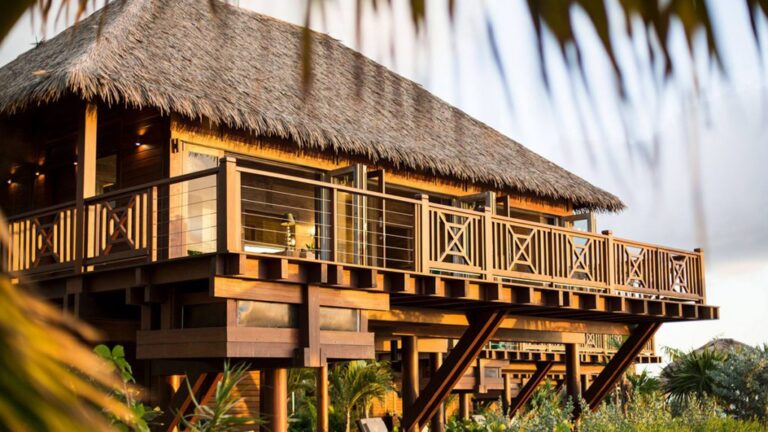
| Sub-Tropical Coral Keys | Florida Keys & Southern Shelf | Stilted low-density concrete block construction, open-air lanais, private docks | Maximum climate appeal; high insurance premiums and storm vulnerability |
| Temperate Pacific Inlets | Washington & San Juan Islands | Heavy timber construction, integrated home offices, private charter access | Unique rugged seclusion; short operating windows dictated by winter gales |
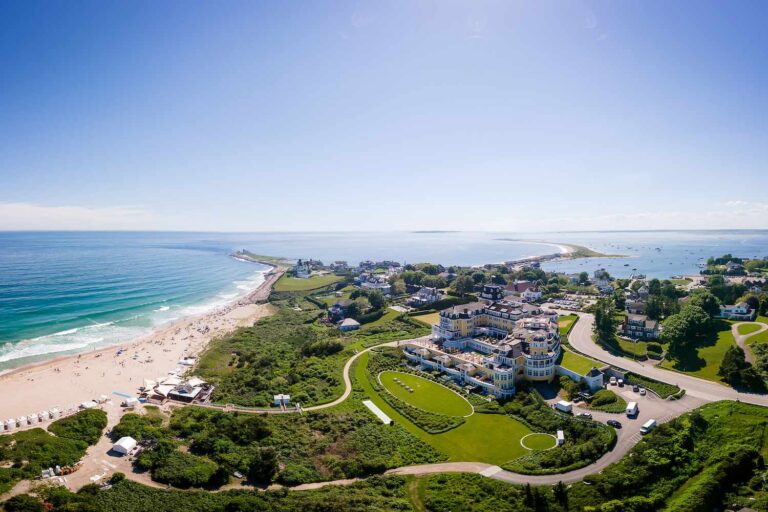
| New England Barrier Bluffs | Nantucket, Martha’s Vineyard & Block Island | Historic shingle-style architecture, private ferry integration, dedicated study spaces | High architectural character; stringent historical and environmental mandates |
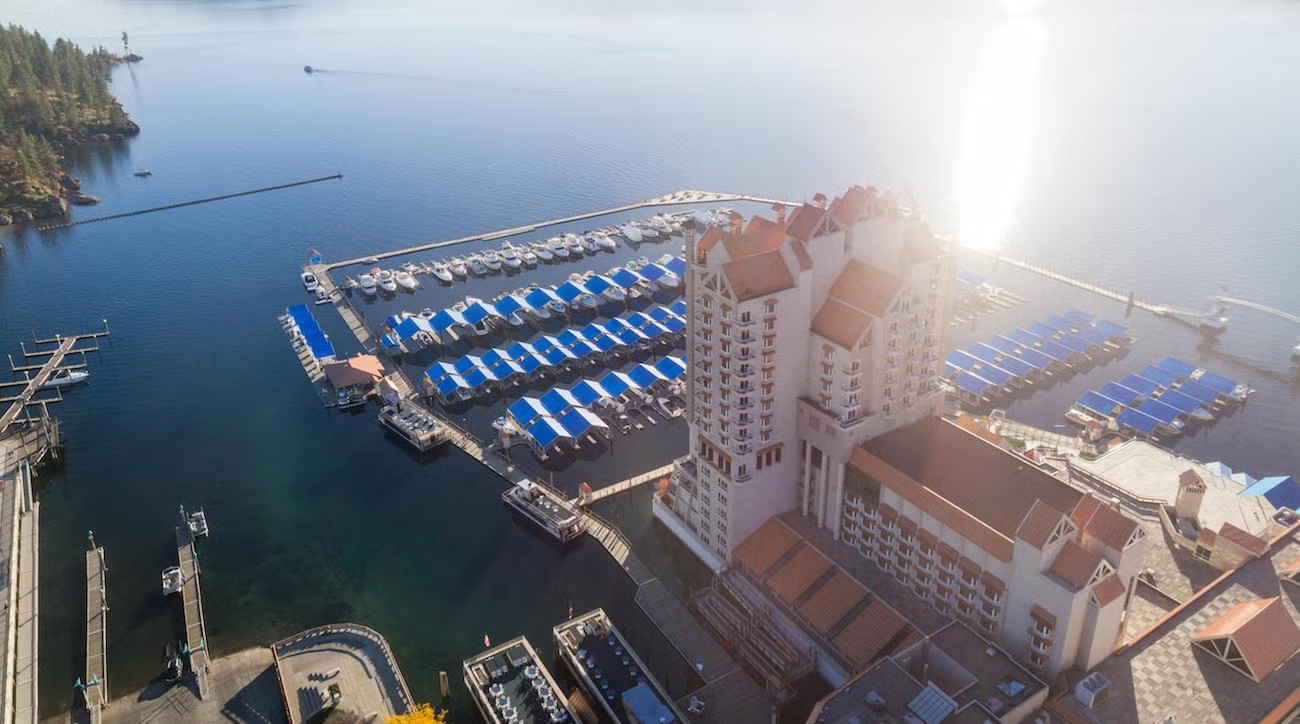
| Great Lakes Freshwater Isles | Michigan & Northern Waters | Waterfront cottages, localized solar microgrids, seasonal boat slips | Peaceful freshwater isolation; limited operational calendar due to ice |
| Mid-Atlantic Marsh Enclaves | Georgia & Carolinas Sea Islands | Elevated boardwalk structures, maritime forest buffers, secure residential villas | Deep historical context; high exposure to shifting coastal erosion |
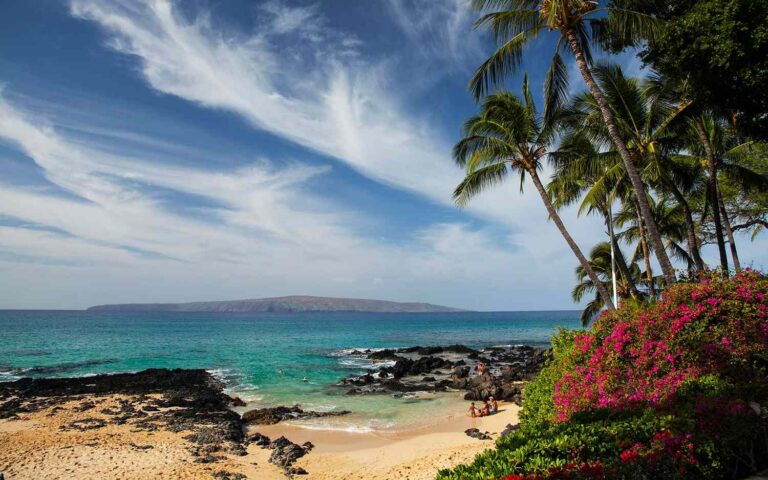
| Pacific Volcanic Sanctuaries | Hawaiian Archipelago | Multi-acre residential parcels, sustainable wellness pavilions, deep-water access | Exceptional natural branding; strict environmental, zoning, and cultural oversight |
Selecting an appropriate residential model requires aligning environmental exposure with personal lifestyle expectations. For properties situated along hurricane-prone sub-tropical barrier strips, prioritizing elevated stilted architecture protects physical assets against wave action. Conversely, for temperate Pacific coastal retreats, investing in weather-glazed structures ensures operational continuity through heavy winter storm seasons.
Detailed Real-World Scenarios
The Florida Keys Post-Storm Structural Retrofit
Following repeated seasonal storm impacts, a resident in the lower keys replaces traditional ground-level utility conduits. Elevated stainless steel distribution corridors successfully eliminate post-storm electrical failures, ensuring continuous home-office productivity.
The Pacific Northwest Island Microgrid Integration
Facing frequent winter power outages from high winds knocking out undersea transmission lines, an isolated island homeowner acts decisively. Management of the residential plot installs a containerized solar battery array integrated with backup biomass generators to keep high-latency remote work servers online.
The New England Coastal Commission Compliance Overhaul
A major property expansion on a historic island bluff navigates a multi-year regulatory review. The homeowner redesigns their wastewater treatment footprint to protect surrounding estuarine marsh ecosystems while adding a modular studio structure.
The Great Lakes Seasonal Marine Fleet Modernization
To maintain reliable personal transport during shifting water levels, an exclusive freshwater island resident updates their dock infrastructure. Management replaces an aging wooden pier with an aluminum floating dock featuring adjustable draft controls to accommodate high-speed personnel watercraft.
Planning, Cost, and Resource Dynamics
The economic viability and financial budgeting of elite domestic island properties depend heavily on custom engineering and ongoing logistical outlays.
-
Marine Transport Outlays: Transporting heavy construction materials and household goods via specialized barge incurs substantial baseline capital expenditure.
-
Environmental Permitting Costs: Securing environmental clearances and conducting marine life impact studies demand significant financial investment.
-
Opportunity Costs: Failing to account for strict seasonal operating windows and unexpected utility failures can erode property value and lifestyle quality.
| Cost Dimension | Standard Urban Residence | Traditional Island Property Model | Advanced Autonomous Island Estate |
| Logistical Overhead | Minimal municipal delivery expense | Moderate boat and barge freight surcharges | Extraordinary initial capital for self-contained utility infrastructure |
| Maintenance Risk | Low structural wear from salt spray | High ongoing exterior refurbishment cycles | Specialized marine-grade materials minimizing long-term decay |
| Insurance Underwriting | Standard commercial property rates | Elevated premiums due to storm exposure | Comprehensive risk-engineered policies paired with structural mitigation |
Tools, Strategies, and Support Systems
Executing successful operational management across domestic island properties requires integrating advanced digital planning and monitoring tools.
-
Real-Time Oceanographic APIs: Digital marine feeds provide precise data on sea surface heights and tidal currents to guide safe personal vessel transfers.
-
Autonomous Microgrid Software: Automated energy distribution systems balance solar generation and battery storage to ensure uninterrupted residential power.
-
Coastal Erosion GIS Platforms: Geographic information systems track shoreline movement to inform proactive landscape engineering.
-
Advanced Satellite Communication Arrays: Multi-orbit satellite internet arrays ensure secure, encrypted data transmission for remote professionals.
-
Specialized Home Management Portals: Digital asset management software coordinates maintenance schedules, fuel deliveries, and contractor access.
-
Automated Climate Control Telemetry: Smart HVAC systems monitor interior humidity and temperature to optimize comfort during extreme seasonal shifts.
Risk Landscape and Failure Modes
Operating high-end remote island properties introduces severe environmental vulnerabilities that require comprehensive risk mitigation.
-
Catastrophic Infrastructure Destruction: Severe tropical cyclones can cause extensive saltwater flooding, destroying ground-floor mechanical plants and home infrastructure.
-
Complete Isolation via Marine Disruption: Prolonged high-wind events that halt ferry and barge operations trap residents and staff, disrupting food and fuel supply chains.
-
Irreversible Ecological Damage: Improper wastewater discharge can devastate fragile surrounding marine habitats, triggering severe federal environmental penalties.
-
Severe Material Degradation: Constant exposure to marine aerosols accelerates rust and structural decay on metal fasteners and window frames.
-
Telecommunication Blackouts: Subsea cable severance during severe weather events can sever digital communication channels, halting critical professional operations.
Governance, Maintenance, and Long-Term Adaptation
Maintaining elite standards across elevated domestic island property portfolios requires rigorous internal auditing and scheduling.
-
Pre-Season Environmental Audits: Comprehensive inspections of seawalls and backup generators occur sixty days prior to peak storm windows.
-
Mid-Season Utility Tracking: Weekly monitoring of desalination efficiency and maintenance logs takes place during peak occupancy months.
-
The Layered Island Resilience Checklist:
-
Seawall and Shoreline Inspection: Evaluate revetments and natural dune barriers for erosion or structural settling.
-
Generator Load Testing: Conduct full-load tests on backup power systems to verify seamless microgrid transfer capability.
-
Emergency Supply Buffer Verification: Ensure minimum thresholds for non-perishable food, water, and medical supplies are fully stocked.
-
Regulatory Compliance Review: Audit environmental discharge records and coastal permit conditions against federal mandates.
-
Measurement, Tracking, and Evaluation
-
Leading Indicators: High operational efficiency ratings for backup power systems and timely completion of pre-season engineering audits serve as early signals.
-
Lagging Indicators: Total annual weather-related repair expenditures and environmental audit compliance rates measure overall asset success.
-
Documentation Standards: Maintaining an exhaustive digital archive tracks engineering blueprints, environmental permits, and asset maintenance logs.
-
Benchmarking Analysis: Regularly comparing energy self-sufficiency ratios against competing domestic island properties ensures ongoing optimization.
Common Misconceptions and Oversimplifications
-
“Any luxury home located near a beach functions identically to an island property.” True operations evaluated when examining modern island lifestyle destinations usa require specialized marine logistics and independent power generation.
-
“Domestic island properties face lax environmental regulations.” Properties operating within U.S. territorial boundaries are subject to stringent federal, state, and local environmental protection laws.
-
“Freshwater supplies are limitless if the property sits on an island.” Remote insular locations rely heavily on fragile groundwater lenses or desalination systems, making conservation critical.
-
“Private island properties are completely immune to public infrastructure challenges.” Isolated homes must manage their own waste treatment and emergency protocols independently.
-
“Mild domestic climates eliminate the need for robust structural storm hardening.” Even temperate islands experience severe seasonal gales and high-wind events requiring hardened architecture.
-
“Digital management tools can entirely replace human oversight.” Automated systems require skilled on-site engineering staff to manage complex microgrids during emergencies.
Ethical, Practical, and Contextual Considerations
Developing elite domestic island properties carries profound responsibilities regarding marine ecosystem preservation and regional stewardship. Property owners must ensure architectural designs and personal recreational activities protect fragile coastal habitats. Furthermore, coordinating emergency preparedness plans with regional authorities ensures that public safety and ecological integrity take absolute precedence over private expansion.
Conclusion
The architectural engineering, environmental compliance, and operational management of premier domestic island retreats represent a sophisticated synthesis. When property owners master the complexities governing modern island lifestyle destinations usa, structured methodologies achieve true long-term resilience. Success in this specialized sector requires balancing environmental stewardship and independent utility microgrids. Through patience and editorial rigor, stakeholders can protect capital investments and guarantee enduring residential quality across island landscapes.