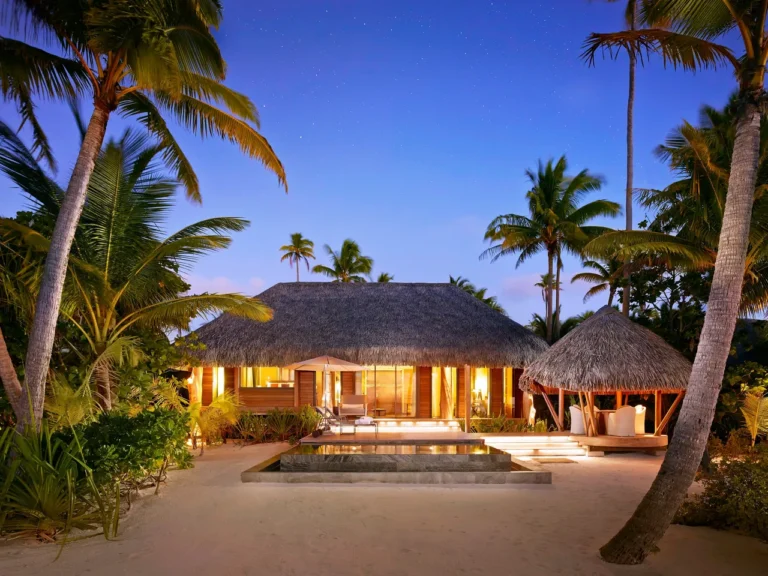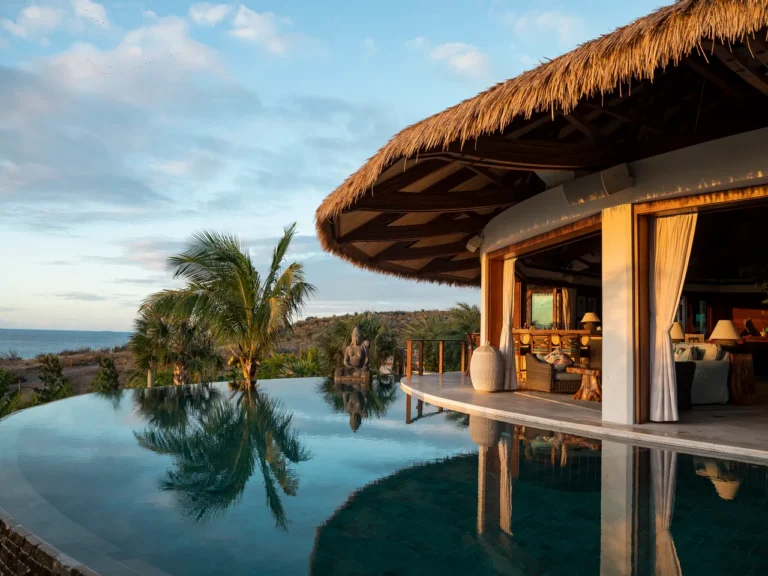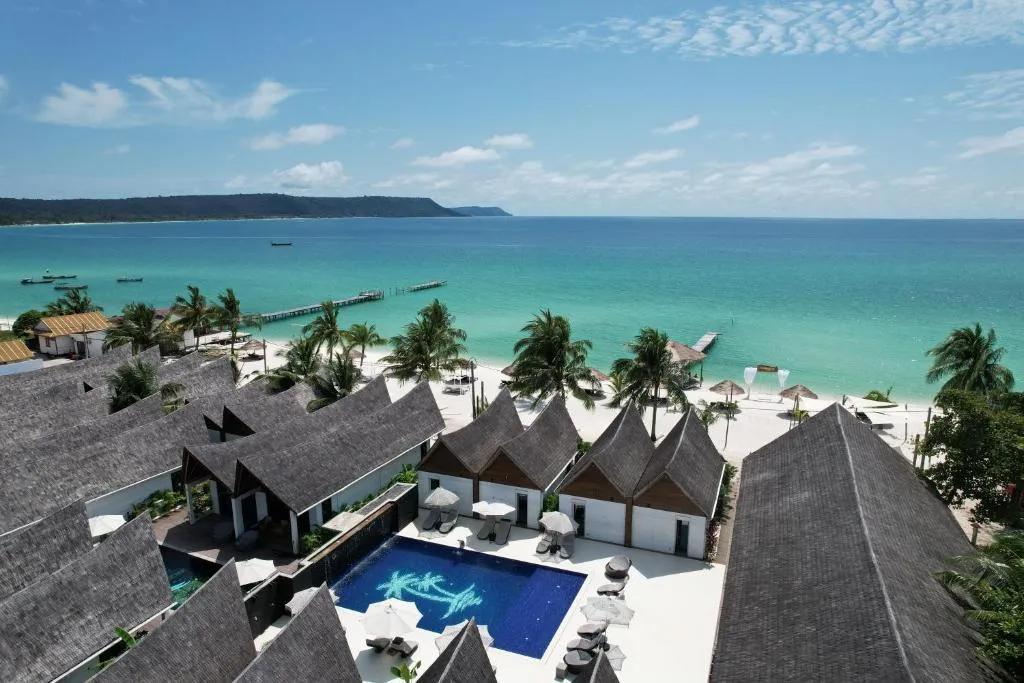
Best Island Resorts for Families: The Ultimate Guide to Luxury & Logistics
The intersection of island hospitality and family travel represents one of the most complex operational niches in modern tourism. Unlike urban hotels or mainland retreats, island properties are bound by hard geographic constraints: finite land area, isolated supply chains, fragile local ecosystems, and absolute dependence on maritime or aerial logistics. When families enter this equation, the margin for error narrows substantially. A standard hotel room failure on a mainland highway detour is an inconvenience; a logistical or spatial mismatch on an isolated island can compromise an entire multi-generational investment of time and capital.
Consequently, evaluating properties requires moving past the glossy imagery of palm-fringed brochures. True suitability involves a rigorous interplay of spatial architecture, medical readiness, child-care infrastructure, dietary resilience, and micro-climate management. An island that excels for couples seeking isolation will frequently fail families due to steep cliffside drops, swift tidal shelves, or a complete absence of pediatric support systems.
Understanding Best Island Resorts for Families
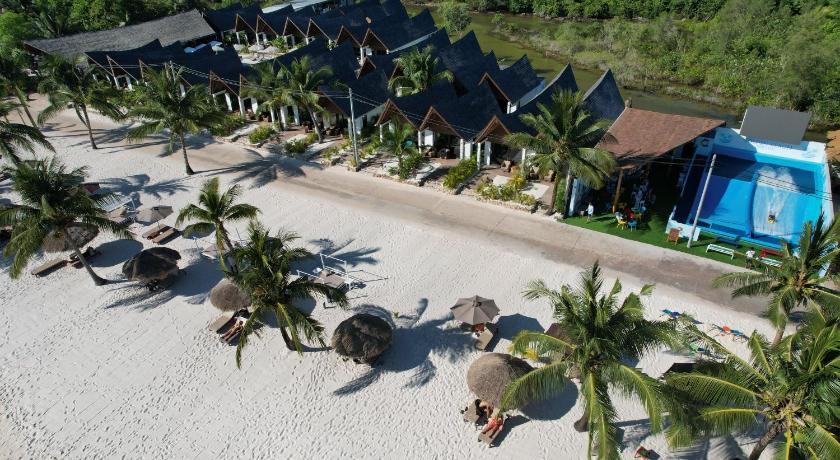
The phrase best island resorts for families is frequently flattened into a marketing superlative, implying the existence of a single, objective apex property. In reality, the designation is entirely relative to developmental stages, group configurations, and risk tolerances. A resort optimized for families with toddlers—characterized by zero-entry lagoons, medical-grade nurseries, and tightly enclosed perimeters—will often underdeliver for a family traveling with teenagers seeking independent exploration, marine sports, and cultural autonomy.
A persistent oversimplification is equating all-inclusive dining volume with family suitability. High-calorie abundance does not compensate for structural hazards, poorly ventilated children’s quarters, or rigid accommodation footprints that force multi-generational groups into acoustically thin, single-room configurations. True excellence in this sector demands spatial generosity, redundant utility systems, and staff ratios capable of handling the fluid, unpredictable nature of childhood routines.
Furthermore, geographical isolation introduces profound operational trade-offs. The most pristine island ecosystems are frequently the most remote, translating into complex transit chains involving long-haul flights, regional puddle-jumpers, and high-speed marine transfers. Evaluating what constitutes a top-tier destination requires balancing the allure of untouched nature against the endurance limits of the youngest travelers in the group.
Deep Contextual Background
The evolution of family-oriented island hospitality reflects broader shifts in demographic wealth, parental labor dynamics, and aviation expansion. Historically, remote islands were the exclusive domain of naturalists, maritime traders, or elite adult travelers seeking seclusion. Children were largely viewed as disruptive anomalies in luxury resort spaces, which were architected around adult quietude, formal dining hours, and deep-water immersion hazards.
By the late twentieth century, the rise of two-income professional households compressed the available window for family leisure, transforming vacations from extended seasonal migrations into high-intensity, condensed holiday blocks. Parents began demanding environments where adult relaxation and child enrichment could occur simultaneously without compromise. Resorts responded by transitioning from passive babysitting services to structured, educational, and experiential children’s programs rooted in local marine biology, arts, and athletics.
Simultaneously, advancements in desalination, solar microgrids, and high-speed satellite communications enabled luxury hospitality groups to anchor sophisticated infrastructure on previously unviable atolls and minor cays. This technological leap eliminated many historic health and sanitary risks associated with tropical island travel, allowing operators to guarantee potable water, climate-controlled interiors, and rapid emergency evacuation pathways. The modern family island resort is thus a triumph of supply-chain engineering disguised as a natural paradise.
Conceptual Frameworks and Mental Models
Navigating the multitude of global island options requires structured mental models that strip away marketing gloss and expose core operational mechanics.
The Environmental Friction Matrix
This model evaluates a destination based on the friction between natural topography and human safety. Islands with sheer volcanic drop-offs, untamed surf breaks, or dense jungle interiors present high environmental friction. For families with young children, high friction demands constant supervision and elevated anxiety. Conversely, shallow barrier reef lagoons and protected coves offer low environmental friction, enabling passive, low-stress supervision.
The Spatial Autonomy Gradient
Families require varying degrees of togetherness and separation over the course of a week. This framework assesses whether a resort layout forces perpetual proximity or permits organic separation. Properties featuring clustered multi-room villas, expansive grounds, and decentralised dining allow parents, children, and grandparents to operate independently during the day and reconvene effortlessly at night.
The Logistic Resilience Index
Insular destinations are vulnerable to weather disruptions, supply delays, and mechanical failures. This model measures an island’s self-sufficiency and backup capacity. Does the property rely entirely on a single diesel generator, or does it maintain redundant microgrids? Is there a resident physician, or is medical care hours away by boat? High resilience absorbs disruptions invisibly; low resilience exposes families to acute stress during unexpected storms or supply shortages.
Key Categories or Variations
Island properties accommodating family groups generally fall into distinct operational categories, each defined by specific structural trade-offs.
| Category | Primary Architectural Focus | Ideal Age Group | Core Advantage | Primary Trade-off |
| All-Inclusive Megastructures | High-density entertainment blocks & water parks | Mixed (Ages 4–16) | Predictable budgeting; endless on-site activities | Lack of cultural authenticity; crowded public spaces |
| Boutique Eco-Sanctuaries | Low-impact villas & nature immersion | Ages 8–18 | Environmental education; deep isolation | High cost; limited peer social networks for kids |
| Multi-Generational Compound Resorts | Multi-bedroom villas with private kitchenettes | Toddlers to Grandparents | Spatial separation; shared gathering spaces | Booking complexity; premium pricing for square footage |
| Private Island Estates | Exclusive buyouts or ultra-luxe multi-villa setups | All ages (Private group) | Total privacy; custom-tailored programming | Extreme financial barrier; isolated from local culture |
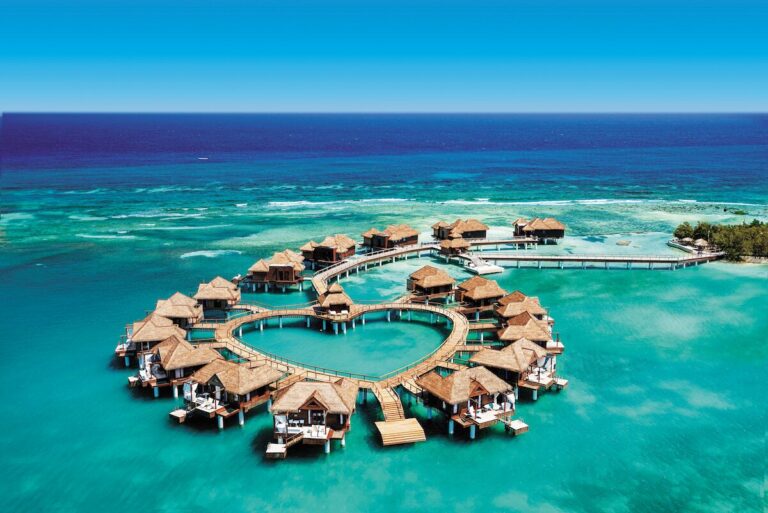
| Lagoon-Protected Coral Atolls | Over-water or beachfront palapas with shallow reefs | Toddlers to Tweens | Safe swimming; immediate marine access | Strict dependency on weather and marine transit |
| Historic Cultural Islands | Restored heritage structures integrated with local villages | School-age to Teens | Cultural immersion; local exploration | Mixed accessibility; uneven modernization of rooms |
Realistic Decision Logic
Selecting among these categories requires an honest audit of family dynamics. If children require constant peer socialisation and high-energy stimulation to remain engaged, boutique isolation will result in administrative fatigue for parents. Conversely, if a family values quiet, unstructured nature exploration, a mega-resort with booming wave pools and scheduled entertainment will feel overwhelming and alienating.
Detailed Real-World Scenarios
To understand how these categories function under pressure, consider several distinct family profiles navigating specific operational environments.
A: The Multi-Generational Group with Mobility Constraints
-
Context: Six adults spanning two generations, plus two children aged three and seven, visiting a volcanic island resort featuring steep hill topography.
-
Constraints: Grandparents require flat pathways; the three-year-old requires a stroller; the resort relies on golf cart shuttles that have limited seating capacity during peak hours.
-
Failure Mode: Bottlenecks at transit hubs, long walks up unshaded inclines, and restaurant scheduling conflicts create daily friction.
-
Second-Order Effect: Exhausted adults experience heightened stress, leading to fractured family patience and a premature curtailing of daily excursions.
B: The Teenage Independence Dilemma in Remote Waters
-
Context: Parents traveling with two teenagers (ages 14 and 16) to an isolated atoll reachable only by a forty-minute seaplane flight.
-
Constraints: Teens require physical autonomy, Wi-Fi connectivity, and peer interaction; parents seek quiet relaxation.
-
Failure Mode: The resort lacks adolescent-specific infrastructure, relying entirely on toddler clubs or passive adult programming, leading to acute adolescent boredom.
-
Second-Order Effect: Teens push boundary limits or demand constant device usage, undermining the shared family objective of unplugged bonding.
C: The Severe Dietary Allergy on an Isolated Cay
-
Context: A family with a child suffering from severe anaphylactic peanut and dairy allergies staying at a boutique island property with a single rotating menu.
-
Constraints: Remote island supply chains mean restocking occurs via weekly cargo boats rather than daily deliveries.
-
Failure Mode: Miscommunication between front-of-house staff and the remote kitchen brigade regarding cross-contamination protocols.
-
Second-Order Effect: A medical emergency far from specialized pediatric trauma centers, necessitating a high-risk emergency evacuation.
Planning, Cost, and Resource Dynamics
Financial planning for island travel requires looking past headline nightly room rates to account for hidden friction costs unique to insular geography.
Direct vs. Indirect Costs
While room and board are easily calculated, indirect expenses frequently inflate baseline budgets by 30% to 50%. These include mandatory inter-island transfer fees (seaplanes and private speedboats are rarely subsidized), resort-enforced service charges, specialized equipment rentals (dive gear, private cabanas), and high markups on imported consumer goods.
| Cost Component | Budget Range (Low to High per Family/Week) | Strategic Impact & Variability |
| Base Accommodation | $3,500 – $25,000+ | Highly seasonal; scales exponentially with multi-bedroom configurations. |
| Logistics & Transfers | $500 – $5,000 | Fixed per capita; entirely dependent on geographic isolation. |
| Food & Beverage (Non-Inclusive) | $1,500 – $6,000 | Captive market pricing; high markups on imported items. |
| Activity & Childcare Add-ons | $300 – $2,500 | Variable based on structured programs, private nannies, and excursions. |
| Emergency Contingency | $1,000 – $10,000+ | Unpredictable medical evacuation insurance or unexpected re-booking costs. |
Tools, Strategies, and Support Systems
Mitigating the inherent volatility of island travel requires deploying specific administrative tools and operational strategies prior to departure.
-
Direct Institutional Outreach: Bypass booking portals and establish direct email correspondence with the resort’s guest relations manager at least thirty days prior to arrival to confirm dietary protocols, bedding configurations, and transfer synchronization.
-
Redundant Documentation Vault: Maintain digital and physical copies of medical histories, allergy action plans, passport details, and travel insurance policies covering emergency medical evacuation.
-
Time-Zone and Jet-Lag Buffering: Build a mandatory 48-hour decompression window into the itinerary before expecting children to participate in rigorous scheduled resort activities.
-
Third-Party Concierge Verification: When utilizing remote agencies, cross-verify that resort-claimed amenities (such as operational kids’ clubs or heated pools) are fully functional during the exact calendar window of travel.
-
Logistics Tracking Apps: Utilize offline-capable mapping and transit tracking applications to monitor regional flight connections and marine weather forecasts independently.
-
Equipment Pre-Staging: Coordinate with local providers or specialized gear-rental services to ensure car seats, strollers, or specialized infant supplies are waiting on-site rather than risking loss during inter-island transit.
Risk Landscape and Failure Modes
The isolated nature of island environments concentrates systemic vulnerabilities into specific, predictable failure modes. Geographic isolation creates logistical bottlenecks through delayed cargo and weather-bound air transfers.
Compounding risks occur when minor oversights intersect. For example, a sudden tropical storm grounds inter-island seaplanes precisely when a child requires medical attention, while simultaneous power grid failure disables the main kitchen refrigeration units. Recognizing these vectors allows planners to select properties with robust on-site backup generators, resident medical staff, and sheltered marine transit options.
Governance, Maintenance, and Long-Term Adaptation
Properties that maintain elite status over decades treat maintenance not as an episodic repair cycle, but as an ongoing environmental governance model. Saltwater corrosion, high humidity, and intense UV exposure degrade insular infrastructure at an accelerated rate compared to mainland properties.
Review Cycles and Adjustment Triggers
Elite operators subject their family programs to rigorous seasonal audits. Key triggers for structural adjustments include shifting demographic demands (e.g., a sudden influx of multigenerational groups requiring accessible ground-floor villas), changing marine conditions affecting beach safety, and feedback loops from childcare staff regarding equipment safety. Families booking stays should verify that a property has undergone recent hard-goods refurbishment, as tropical wear-and-tear accelerates faster than in standard urban hospitality environments.
Measurement, Tracking, and Evaluation
Assessing the ongoing success of a family island holiday requires distinguishing between superficial quantitative metrics and meaningful qualitative indicators.
-
Leading Indicators: Pre-arrival communication responsiveness, clarity of dietary data collection, and proactive confirmation of transfer logistics.
-
Lagging Indicators: The physical and emotional state of children and parents upon departure; the absence of logistical friction points during transitions; and the seamless execution of billing and departure routines.
-
Documentation Examples: Maintaining a post-travel debrief log detailing flight performance, transfer wait times, room noise levels, and staff responsiveness creates an invaluable proprietary asset for future journey planning.
Common Misconceptions and Oversimplifications
-
Myth: All tropical islands offer safe, calm swimming environments for children.
-
Correction: Many tropical islands feature powerful undertows, razor-sharp coral shelves, or rapid tidal changes that render open-ocean swimming hazardous for children without continuous supervision.
-
-
Myth: A kids’ club is a standardized amenity across luxury properties.
-
Correction: Kids’ clubs vary wildly, ranging from locked, uninspired holding pens with outdated toys to world-class marine biology labs and certified developmental spaces staffed by trained educators.
-
-
Myth: All-inclusive models eliminate all financial decision-making fatigue.
-
Correction: Most inclusive properties restrict premium dining, motorized water sports, private excursions, and specialized childcare to extra-fee tiers.
-
-
Myth: Closer proximity to the mainland always guarantees better medical access.
-
Correction: Some remote atolls maintain sophisticated private airstrips and dedicated evacuation partnerships that outperform congested mainland hospitals experiencing regional backlogs.
-
-
Myth: Interconnecting rooms are a standard architectural feature in luxury resorts.
-
Correction: Many high-end boutique island properties feature detached standalone villas separated by dense jungle or open beach, requiring families to split across non-adjoining structures.
-
-
Myth: Seasonal weather patterns are uniform across an entire island chain.
-
Correction: Micro-climates frequently create distinct wet and dry zones on opposite sides of mountainous tropical islands.
-
Conclusion
Navigating the landscape of family-oriented island travel demands an abandonment of superficial marketing narratives in favor of rigorous, operational analysis. Whether evaluating remote atolls, volcanic sanctuaries, or expansive coastal compounds, the ultimate measure of quality is the seamless alignment between environmental reality and human infrastructure. By prioritizing spatial autonomy, logistic resilience, and developmental suitability, families can transform an inherently complex insular escape into a secure, harmonious, and enduringly memorable enterprise.