Complete Guide to the Best Island Resorts for Honeymooners: Analysis & Selection
Selecting a post-nuptial sanctuary is frequently reduced to an exercise in aesthetic curation, romantic imagery, and promotional brochure comparisons. Yet, a romantic tropical escape is not merely a scenic backdrop for two people; it is a complex operational ecosystem where intimacy, spatial design, and logistical isolation intersect. When couples or travel planners evaluate these properties, they often overlook the underlying structural factors—acoustic privacy gradients, microclimate stability, staff-to-guest ratios, and transfer complexity—that ultimately determine the lived experience. Surface-level reviews focus heavily on sunset views and champagne greetings while ignoring the systemic mechanics that separate a seamless, restorative retreat from an isolated, friction-filled environment.
The complexity of evaluating these destinations stems from the inherent tension between romantic marketing narratives and physical realities. A secluded coastal sanctuary that appears utterly private in digital media may, in practice, suffer from tight architectural proximities, heavy wind exposure, or complex transfer bottlenecks that test relational patience during arrival. Furthermore, the experiential variance between an overwater bungalow on a remote coral atoll and a historic cliffside estate on a volcanic island requires entirely different mental models for assessment. Without a rigorous, structured methodology for evaluating these properties, couples fall prey to cognitive biases, anchoring on visual aesthetics while ignoring structural vulnerabilities.
This guide provides an exhaustive analytical framework for examining, evaluating, and categorizing romantic island properties. By dissecting spatial topologies, service architectures, financial dynamics, and long-term risk profiles, this analysis moves beyond promotional hype to establish a definitive reference model for high-fidelity destination assessment.
Understanding Best Island Resorts for Honeymooners
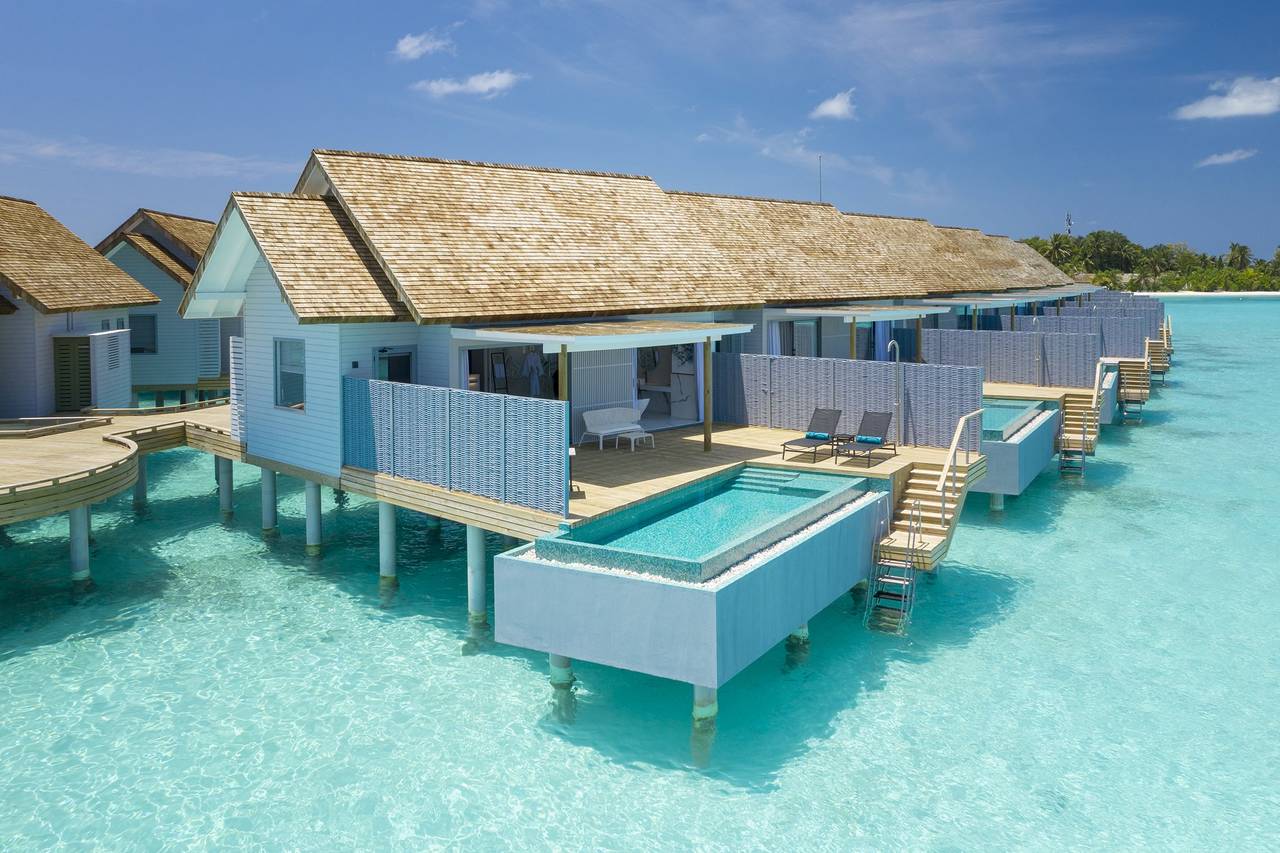
The imperative to analyze the best island resorts for honeymooners extends far beyond simple preference matching; it requires a systematic deconstruction of how distinct spatial, emotional, and operational variables interact to produce a restorative post-nuptial experience. At its core, this evaluation involves assessing properties not by their romantic amenities alone, but by their systemic coherence. A resort featuring world-class dining can be fundamentally undermined by poor sound insulation between villas or aggressive mosquito management protocols that disrupt outdoor relaxation. Consequently, a meaningful comparative analysis must dismantle the property into its core functional pillars: spatial acoustics, privacy gradient design, service discretion, and emotional decompression capacity.
A primary risk in oversimplifying this evaluation involves the homogenization of romantic expectations. Novice planners often assume that any tropical luxury hotel functions effectively as a couples’ retreat, ignoring the reality of guest demographic mixing. For instance, a luxury resort catering heavily to affluent family reunions or corporate incentive groups presents a radically different acoustic and social environment than an adults-only sanctuary designed strictly for quiet seclusion. Each environment introduces specific operational trade-offs. Family-oriented properties prioritize expansive kids’ clubs and high-energy beach activities, whereas adult-exclusive enclaves optimize for hushed common areas, candlelit shorelines, and uninterrupted quietude.
Furthermore, comparative evaluations must account for the psychological transition phase following a high-stress wedding event. A property that requires complex multi-leg travel and strenuous arrival logistics can exacerbate exhaustion rather than alleviate it. By examining how resorts manage isolation, acoustic privacy, and service pacing, evaluators can transcend superficial marketing claims and select destinations anchored in true relational comfort.
Contextual Background and Systemic Evolution of Post-Nuptial Travel
The modern honeymoon resort is the product of a century-long evolution in global mobility, maritime engineering, and changing social norms surrounding marriage and leisure. In the early mid-twentieth century, post-nuptial travel was characterized by traditional domestic rail journeys, visits to regional country estates, or leisurely ocean liner crossings. Accommodations were formal, highly structured, and embedded within traditional societal expectations. The concept of the remote tropical romantic enclave did not crystallize until the post-war expansion of commercial aviation, which opened distant archipelagos in the Caribbean, Indian Ocean, and South Pacific to leisurely exploration.
As long-haul flight routes matured, hospitality developers recognized a distinct market segment seeking absolute privacy in exotic geographies. This realization sparked the development of bespoke romantic sanctuaries featuring secluded beachfront villas, private plunge pools, and specialized couples’ wellness programming. However, these early expansion phases often struggled to balance large-scale resort operations with intimate guest experiences, leading to overcrowded communal dining spaces and rigid service schedules that conflicted with relaxed post-nuptial pacing.
In recent decades, the paradigm has shifted toward hyper-personalized seclusion and integrated wellness architecture. The proliferation of private-pool villas, dedicated butler services, and adult-exclusive zoning has redefined high-end romance by maximizing personal autonomy while minimizing external disruptions. Understanding this trajectory is essential for evaluating contemporary properties; a resort built on legacy infrastructure from the 1980s presents fundamentally different privacy gradients and maintenance realities than a carbon-neutral villa sanctuary engineered within the last decade.
Conceptual Frameworks and Mental Models for Evaluation
To navigate the vast complexity of romantic island properties, analysts must deploy structured mental models that isolate critical variables from promotional noise.
1. The Acoustic Privacy and Spatial Gradient
This model evaluates the physical distance and architectural buffering between independent guest accommodations. It analyzes how structural elements—such as dense tropical foliage, staggered villa positioning, and acoustic baffling—prevent sound transmission across shared patios or beach zones, ensuring absolute auditory seclusion.
2. The Service Discretion Index
This framework measures the balance between attentive hospitality and intrusive presence. It examines how resort staff manage housekeeping, dining delivery, and maintenance without disrupting the couple’s privacy, favoring low-profile, anticipatory service models over rigid schedules.
3. The Decompression Velocity Curve
Post-nuptial travel requires a transitional phase from high-stress event planning to deep relaxation. This model plots the friction of arrival logistics against the immediate restorative quality of the environment, demonstrating how seamless airport-to-resort transfers accelerate emotional decompression.
Analytical Limitation: Mental models simplify spatial and psychological realities to highlight specific vectors of comfort or friction. They cannot fully capture unpredictable weather events, interpersonal relational dynamics, or sudden operational shifts. They serve as diagnostic lenses rather than infallible predictors.
Typologies, Categories, and Structural Variations
Romantic island properties diverge significantly based on architectural layout, guest demographic policies, and operational models. Recognizing these categories prevents false equivalencies during selection.
| Resort Typology | Spatial & Architectural Layout | Guest Demographic Policy | Primary Operational Trade-Off |
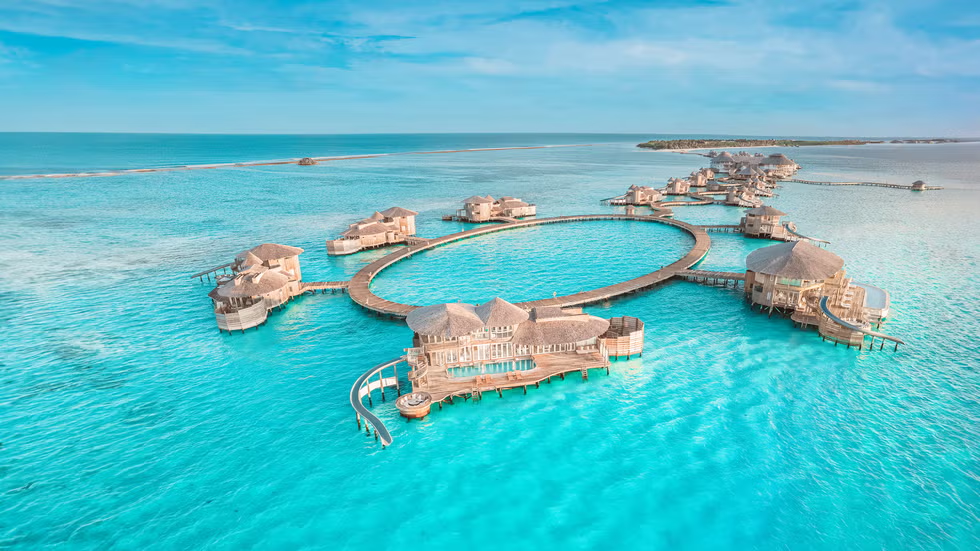
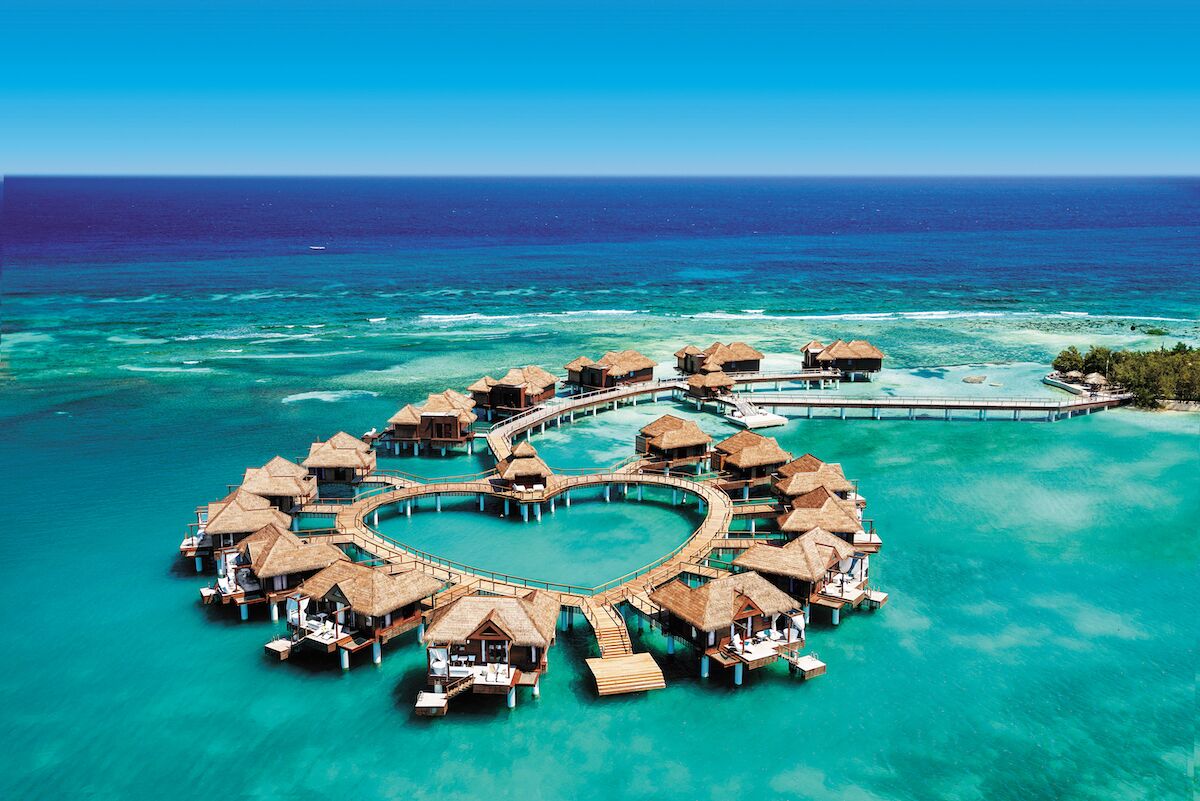
| Adults-Only Atoll Sanctuaries | Overwater and beachfront villas isolated on ring-shaped coral islands. | Strictly 18+, ensuring complete absence of family crowds. | High reliance on seaplane transfers; limited land exploration options. |
| Cliffside Volcanic Estates | Terraced villas carved into dramatic volcanic slopes with infinity pools. | Mixed demographic, often with designated adult-only zones. | Exceptional panoramic views and privacy; steep stairs and mobility challenges. |
| Private Island Enclaves | Entire micro-islands operated as single-couple or low-capacity retreats. | Highly customizable, frequently private buyouts. | Extreme financial investment; total dependency on on-site staff availability. |
| Eco-Luxury Jungle Lodges | Low-impact timber pavilions nestled within dense tropical rainforests. | Adult-focused eco-conscious travelers. | Profound natural immersion; potential exposure to local wildlife and humidity. |
| Historic Plantation Manors | Restored colonial-era structures surrounded by manicured tropical gardens. | Mixed demographic, sophisticated cultural orientation. | Rich architectural character; beachfront access may require short walks or shuttles. |
Decision Logic for Typology Selection
When evaluating these categories, decision-makers must weigh architectural style against lifestyle preferences. Adults-only atoll sanctuaries offer peerless marine immersion and complete silence, but their flat topography limits spatial variety. Conversely, volcanic estate properties provide dramatic topographical drama and cooling elevation breezes, but navigating stepped pathways restricts physical mobility during leisure time.
Detailed Real-World Operational Scenarios
Analyzing how romantic properties perform under operational stress reveals systemic strengths and hidden vulnerabilities that promotional brochures conceal.
Scenario A: The Acoustic Failure in High-Density Overwater Villas
-
Context: A couple books an ultra-luxury overwater bungalow advertised as a private romantic haven during peak season occupancy.
-
Constraints: The resort utilizes continuous wooden boardwalks connecting tightly spaced villas without intermediate acoustic baffles.
-
Failure Modes: Sound carries effortlessly across calm lagoon waters; neighboring guests engaging in late-night conversation on adjacent decks disrupt the intended tranquility.
-
Second-Order Effects: The couple experiences chronic sleep disruption; management offers a villa relocation, but internal moves cause logistical friction and spoil the celebratory mood.
Scenario B: Weather-Induced Dining Bottlenecks in Remote Volcanic Resorts
-
Context: A cliffside volcanic estate experiences a sudden tropical squall during an outdoor candlelit dining evening designed for honeymooners.
-
Constraints: The resort’s primary romantic dining venue is entirely open-air with minimal indoor overflow capacity.
-
Failure Modes: Staff scramble to relocate diners to cramped indoor bar areas, compromising the carefully curated intimate atmosphere and delaying food service.
-
Second-Order Effects: Guest dissatisfaction surges despite attentive staff recovery efforts, highlighting the vulnerability of single-venue properties to sudden microclimate shifts.
Financial Dynamics, Direct and Indirect Cost Structures
The financial architecture of romantic island travel is characterized by high fixed capital expenditures, premium markups on specialized services, and extreme pricing volatility based on seasonal romance calendars.
| Cost Category | Direct Elements | Indirect / Hidden Elements |
| Accommodation & Package | Base villa rate, honeymoon promotional add-ons, resort credit. | Mandatory holiday surcharges, high local tourism taxes, service charge percentages. |
| Dining & Culinary | Specialized tasting menus, private beach dinners, wine pairings. | Import markups on alcoholic beverages, mandatory romantic gala dinner fees. |
| Wellness & Recreation | Couples’ spa treatments, private yacht charters, guided diving. | Advanced reservation booking fees, equipment rental deposits, gratuity expectations. |
| Transfers & Logistics | Speedboat or seaplane transfers, VIP airport greeting services. | Excess baggage fees for international flights connecting to small seaplanes. |
Opportunity Costs and Financial Variability
Operating within luxury romantic markets imposes distinct opportunity costs. Capital allocated toward premium add-ons—such as private beach dinners or helicopter transfers—reduces funds available for extended stay durations. Furthermore, pricing is highly sensitive to calendar spikes; Valentine’s Day, Christmas, and peak dry-season windows trigger severe rate inflation while simultaneously compressing service personalization due to high occupancy rates.
Operational Tools, Logistics, and Support Systems
Executing a flawless romantic escape requires an integrated suite of specialized coordination tools and management platforms designed to ensure seamless service delivery.
-
Pre-Arrival Preference Profiling Software: Secure databases capturing dietary restrictions, romantic milestone dates, pillow preferences, and custom itinerary requests.
-
Discreet Communication Portals: Encrypted messaging apps connecting guests directly with dedicated private butlers without requiring in-person interruptions.
-
Acoustic and Spatial Zoning Tools: Architectural layout planners used by resort management to space guest arrivals and dining reservations, minimizing communal congestion.
-
Private Transfer Tracking Dashboards: Real-time logistics software coordinating airport greeters, private car drivers, and seaplane pilots to eliminate arrival friction.
-
Dynamic Spa and Dining Scheduling Platforms: Automated booking systems allowing couples to reserve intimate experiences without administrative delays.
-
Secure Multi-Currency Payment Gateways: Financial infrastructure managing complex deposit schedules, gift registries, and incidental bill settlement.
Systemic Limits: These tools rely heavily on human execution and stable digital networks. If a dedicated butler fails to update the preference database, recurring miscommunications regarding dietary needs or anniversary acknowledgments can quickly erode trust.
Risk Landscape, Vulnerabilities, and Failure Modes
The risk profile of romantic travel planning is defined by compounding vulnerabilities. A minor service oversight frequently cascades into emotional frustration, undermining the primary purpose of the trip.
Taxonomy of Risks
-
Acoustic and Spatial Encroachment: Poor architectural planning that compromises privacy and exposes guests to unexpected noise pollution.
-
Service Inconsistency: High staff turnover or inadequate training leading to impersonal service or missed special milestone acknowledgments.
-
Logistical Friction: Uncoordinated transfers or delayed luggage handling that creates immediate post-arrival stress.
-
Environmental Vulnerability: Unfavorable weather conditions or seasonal beach erosion that limits outdoor romantic activities.
Compounding Failure Cascades
Consider a scenario where a couple arrives exhausted after an international flight, only to find their private transfer delayed by an uncoordinated seaplane schedule. Upon reaching the resort, their pre-requested romantic villa setup has been assigned to another guest due to a database error. Temporary alternative lodging lacks the promised private plunge pool. This sequence of failures transforms an anticipated relaxing honeymoon into an ongoing administrative dispute, severely impacting the emotional tone of the trip.
Governance, Maintenance, and Long-Term Adaptation
Ensuring the enduring quality of a romantic island property requires rigorous operational governance, proactive structural maintenance, and continuous quality audits. Unlike standard urban hotels, remote luxury resorts must maintain pristine conditions under harsh hyper-saline environmental pressures.
Monitoring and Review Cycles
-
Daily Environmental Checks: Inspection of private plunge pool water chemistry, outdoor daybed upholstery, and acoustic barrier integrity.
-
Weekly Service Audits: Review of butler response times, spa therapist performance, and private dining execution quality.
-
Annual Architectural Refurbishments: Deep maintenance of timber decking, replacement of corrosion-prone metal fixtures, and updating interior soft furnishings.
Layered Maintenance Checklist
-
Verify structural and acoustic integrity of privacy walls and natural foliage buffers between villas.
-
Inspect climate control systems to ensure silent, reliable operation in humid coastal environments.
-
Audit private pool heating and filtration systems prior to guest check-in windows.
-
Review staff training records regarding discretion, privacy protocols, and crisis management.
-
Inspect coastal erosion defenses protecting private beachfront stretches.
Measurement, Tracking, and Evaluation
To determine whether a romantic property maintains its status among the best island resorts for honeymooners, leadership must balance quantitative operational metrics with qualitative guest sentiment indicators.
-
Leading Indicators: Preventive maintenance completion rates, butler-to-guest ratios, pre-arrival preference fulfillment accuracy, and staff retention percentages.
-
Lagging Indicators: Post-stay Net Promoter Scores, repeat anniversary booking rates, spa utilization percentages, and complaint resolution turnaround times.
-
Qualitative Signals: Guest feedback regarding perceived privacy, notes on emotional resonance of celebratory touches, and staff observations of overall guest relaxation levels.
Documentation and Record-Keeping Examples
-
Milestone Tracking Ledger: A secure internal log recording honeymoon and anniversary dates, personal preferences, and past service interactions for returning guests.
-
Acoustic and Privacy Audit Report: Quarterly architectural reviews measuring ambient decibel levels across villa clusters and common dining zones.
-
Transfer Efficiency Log: A detailed dataset tracking the duration between international flight landing and resort villa arrival to minimize transit friction.
Common Misconceptions, Myths, and Oversimplifications
The public discourse surrounding romantic island travel is plagued by persistent myths that obscure operational realities.
-
Myth: All overwater bungalows offer absolute privacy and quiet seclusion.
-
Correction: Many overwater structures are positioned along shared wooden piers where foot traffic and sound carry easily across the water, reducing perceived privacy.
-
-
Myth: Adults-only policies guarantee a completely silent environment.
-
Correction: While children are absent, adults-only resorts often feature lively social hubs, vibrant pool bars, and evening entertainment that can generate significant ambient noise.
-
-
Myth: Honeymoon packages automatically include all premium romantic dining experiences.
-
Correction: Standard honeymoon perks typically include minor amenities like a bottle of wine or a spa discount, while exclusive private beach dinners usually incur substantial additional fees.
-
-
Myth: Remote private islands eliminate all external disturbances.
-
Correction: Extreme isolation often increases logistical vulnerability, making properties more susceptible to supply chain delays and weather-related transfer interruptions.
-
-
Myth: Butler service is universally discreet and available twenty-four hours.
-
Correction: Butler staffing models vary widely; many properties operate shared butler rosters or limited shift hours, restricting round-the-clock personalized responsiveness.
-
-
Myth: Peak dry seasons guarantee perfect weather and uninterrupted outdoor romance.
-
Correction: Peak seasons frequently coincide with maximum resort occupancy, leading to crowded common spaces and less intimate dining availability despite favorable weather.
-
Ethical, Environmental, and Socio-Economic Considerations
The operation of ultra-luxury romantic resorts in fragile tropical ecosystems introduces profound ethical and socio-economic responsibilities. Properties frequently occupy sensitive coastal land or pristine marine environments that hold deep cultural significance for local communities. Consequently, operational models must extend beyond basic aesthetic luxury to embrace active environmental stewardship and equitable labor practices.
Socio-economically, luxury resorts must navigate the balance between delivering hyper-exclusive guest experiences and supporting regional economic development. Importing foreign luxury goods while offering only low-wage service roles to local populations creates systemic inequality. Conversely, sourcing local organic agriculture, implementing robust fair-wage structures, and funding regional marine conservation initiatives ensure that the resort operates as a responsible partner within its host community. Furthermore, environmental ethics demand that properties actively minimize their carbon footprint, eliminate single-use plastics, and protect surrounding coral reefs from tourism-induced degradation.
Analytical Synthesis and Decision Judgment
Evaluating and selecting destinations among the best island resorts for honeymooners requires casting aside superficial promotional aesthetics in favor of rigorous, multi-dimensional analysis. Whether the objective is curating a private retreat or establishing long-term travel standards, the defining variables of an exceptional post-nuptial journey are never merely visual. They are rooted in acoustic privacy design, service discretion, transfer efficiency, and operational resilience.
An exceptional romantic retreat harmonizes intimate personal connection with the immutable constraints of geography, acknowledging that true luxury in an isolated setting is not ostentatious excess, but seamless reliability, profound quietude, and deep respect for the natural environment it inhabits. By applying structured frameworks, recognizing underlying vulnerabilities, and evaluating properties through a lens of systemic operational depth, travelers can navigate the complex geography of romantic hospitality with clarity, precision, and enduring authority.