Best Island Resorts for Retreats: The Ultimate Guide to Logistics & Focus
The architecture of intentional gathering within insular environments presents a unique operational discipline. Unlike corporate conference centers or urban retreat hotels, remote island properties are bound by hard geographic boundaries, highly constrained supply chains, and absolute dependence on maritime or aerial transit logistics. When groups convene on an isolated atoll or volcanic cay for professional alignment, creative incubation, or holistic wellness work, the external environment exerts a powerful psychological and systemic pressure on the proceedings.
Consequently, evaluating properties for structured programs requires moving far beyond scenic photography and broad promotional summaries. True suitability demands an acute understanding of acoustic isolation, spatial layout, technological resilience, and dietary consistency. A venue optimized for high-energy corporate galas will frequently fail contemplative leadership cohorts due to competing noise pollution, rigid spatial layouts, or an absence of breakout architecture.
This guide provides an exhaustive analysis of the structural, environmental, and administrative realities governing remote group gatherings. Rather than offering a transient checklist, it establishes an analytical framework for understanding how geography, spatial design, and human coordination intersect on insular escapes.
Understanding Best Island Resorts for Retreats
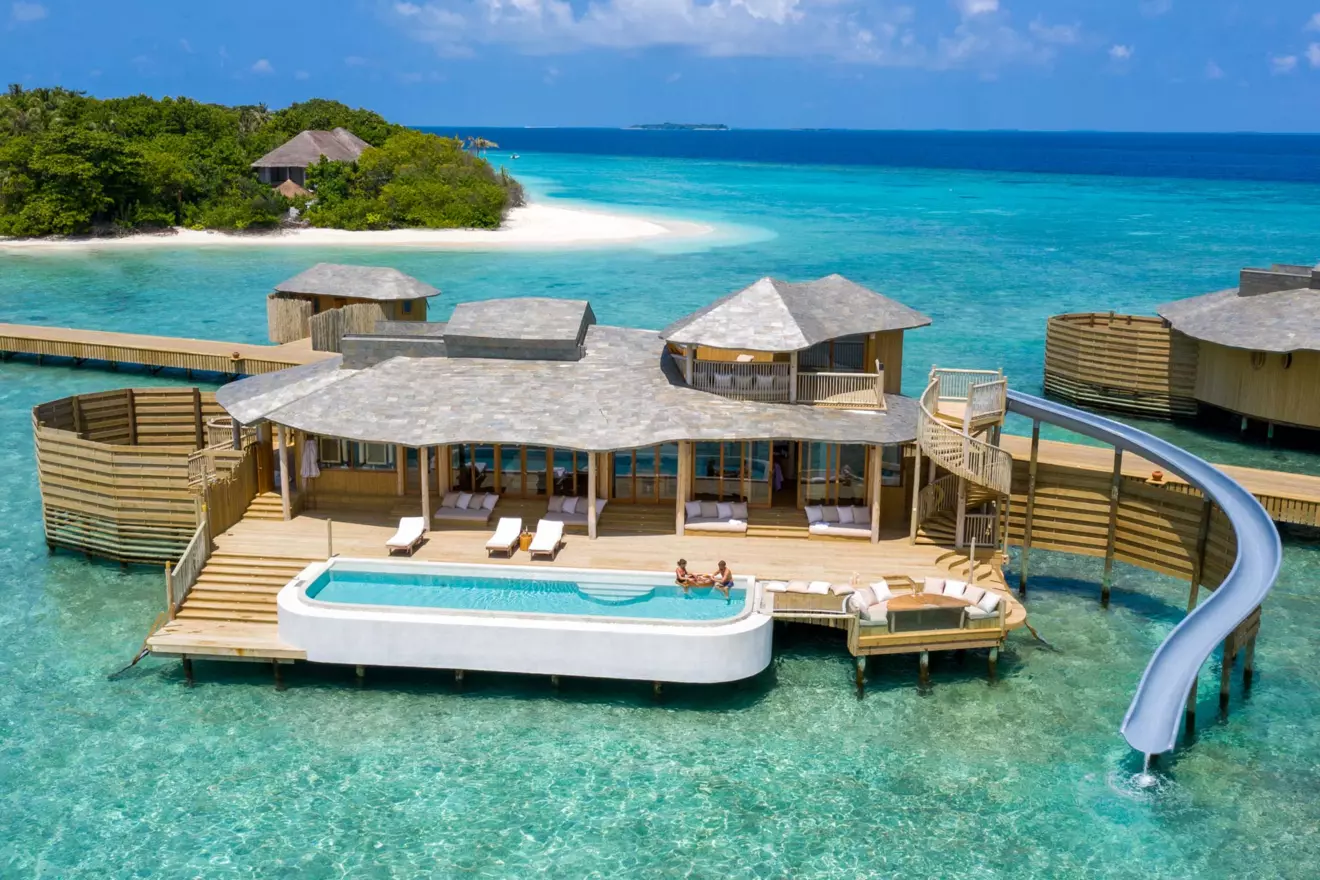
The phrase best island resorts for retreats is frequently flattened into a marketing superlative, implying the existence of a single, objective apex property. In professional event planning, however, the designation is entirely relative to the specific intent of the gathering, the psychological profile of the participants, and the logistical tolerances of the organizing body. A property optimized for intense silent meditation—characterized by strict digital disconnection zones, monastic spatial layouts, and quiet natural immersion—will routinely underdeliver for an agile technology incubator requiring robust fiber-optic connectivity, collaborative breakout architecture, and high-energy collaborative spaces.
A persistent oversimplification is equating sprawling luxury footprints with programmatic success. Massive multi-acre resorts often introduce high levels of ambient distraction, public foot traffic, and structural fragmentation that dilute the focus of a cohesive cohort. True excellence in this sector demands acoustic privacy, dedicated breakout flexibility, dedicated administrative backing, and environmental isolation that shields participants from outside disturbances.
Furthermore, geographical isolation introduces profound operational variables. The most pristine island ecosystems are frequently the most remote, translating into complex transit chains that can induce cognitive fatigue before the program even commences. Evaluating what constitutes a top-tier destination requires balancing the psychological benefits of complete seclusion against the physical energy limits of traveling participants.
Deep Contextual Background
The historical evolution of insular group hosting mirrors the broader professionalization of intentional travel and the modern demand for deep-focus environments. Historically, remote islands were utilized exclusively for maritime trade, colonial administration, or isolated resource extraction. Group gatherings on islands were rare, impromptu affairs restricted to scientific expeditions or elite governmental assemblies relying heavily on rudimentary infrastructure.
By the late twentieth century, the acceleration of corporate burnout and the hyper-connected digital economy forced organizations to seek radical physical separation to achieve cognitive resetting. Retreats transitioned from casual holiday perks into strategic investments in team alignment, wellness, and executive vision. Resorts responded by retrofitting their grounds or designing purpose-built pavilions, acoustic shielding, and dedicated administrative support systems capable of managing complex multi-day programming.
Simultaneously, advancements in satellite broadband, modular eco-architecture, and renewable microgrids enabled properties to maintain high-performance digital environments on previously inaccessible atolls. This technological leap eliminated the false choice between total isolation and professional functionality. The modern island retreat destination is thus an intricate synthesis of high-speed connectivity and secluded geography, engineered to foster deep human focus away from urban friction.
Conceptual Frameworks and Mental Models
Navigating the multitude of global island options requires structured mental models that strip away marketing gloss and expose core operational mechanics.
The Cognitive Isolation Index
This model evaluates a destination based on its ability to minimize external cognitive interference. Properties located near commercial flight paths, public cruise ship docks, or high-density tourist beaches present high cognitive friction, interrupting deep-focus work or contemplative practices. Conversely, private island estates or deeply buffered eco-sanctuaries offer low cognitive friction, enabling sustained creative and strategic immersion.
The Spatial Proximity Gradient
Group retreats require a delicate balance between collective assembly and individual decompression. This framework assesses whether a resort layout forces perpetual proximity or permits organic isolation. Properties featuring centralized great halls flanked by scattered, sound-insulated private villas allow cohorts to merge seamlessly for structured sessions and disperse completely during unstructured reflection blocks.
The Infrastructure Redundancy Index
Insular destinations hosting high-stakes professional or wellness groups are vulnerable to sudden environmental shocks, such as severe tropical storms or power grid failures. This model measures a property’s backup capacity regarding stable internet routing, uninterrupted climate control, and emergency power generation. High resilience ensures that a multi-day program continues uninterrupted despite external weather volatility.
Key Categories or Variations
Island properties accommodating structured group gatherings generally fall into distinct operational categories, each defined by specific structural trade-offs.
| Retreat Category | Primary Architectural Focus | Ideal Cohort Type | Core Advantage | Primary Trade-off |
| Private Island Buyouts | Entire atoll exclusivity with unified villa clusters | Executive boards & high-end leadership teams | Absolute privacy; complete control over daily schedules | Extreme financial barrier; limited local cultural integration |
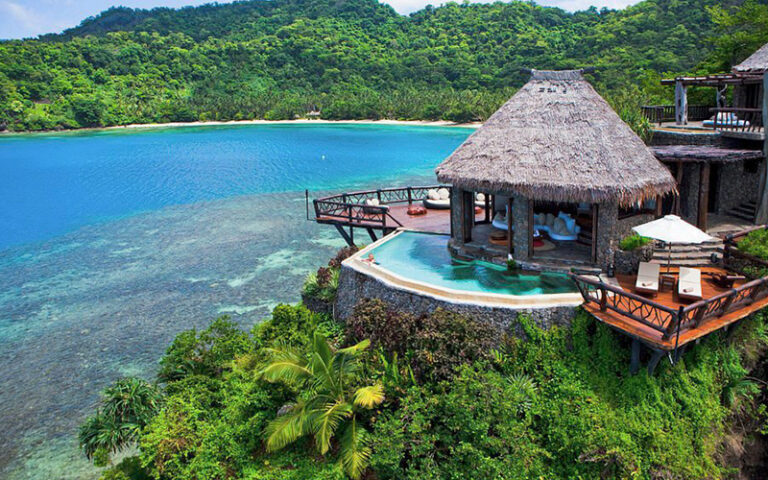
| Eco-Sanctuary Lodges | Low-impact bamboo or timber pavilions embedded in nature | Wellness, yoga, and mindfulness cohorts | Deep natural immersion; sustainable ethos | Rustic room configurations; limited high-tech audiovisual gear |
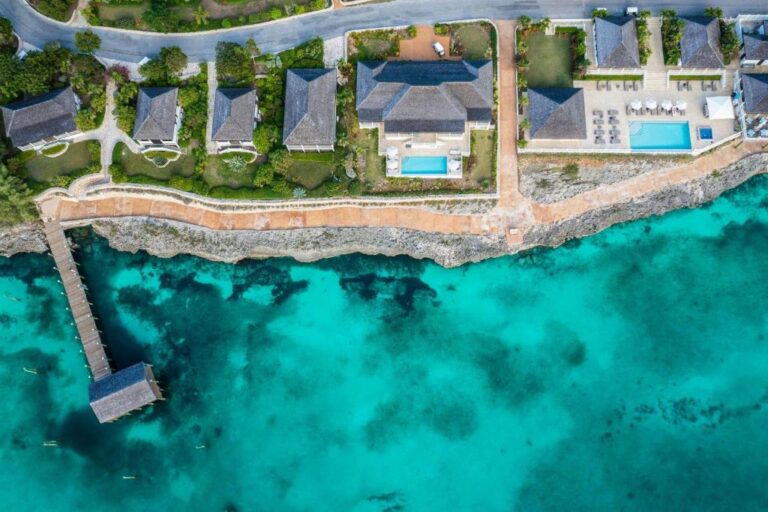
| Boutique Cliffside Retreats | Tiered multi-level villas overlooking marine drop-offs | Creative incubators & strategic planning groups | Dramatic visual inspiration; strong spatial separation | Steep topography; restricted mobility for attendees |
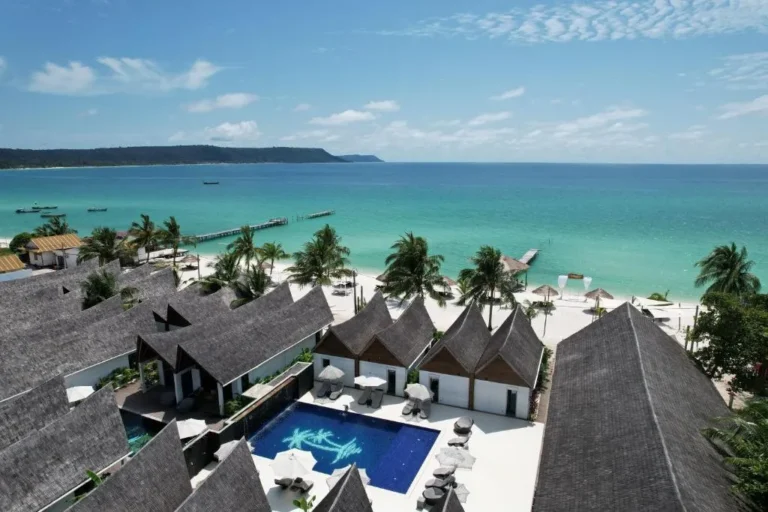
| Integrated Marina Compounds | Large-scale resort infrastructure with dedicated conference wings | Large corporate associations & multi-departmental teams | Robust technical support; extensive recreational options | High ambient public foot traffic; reduced seclusion |
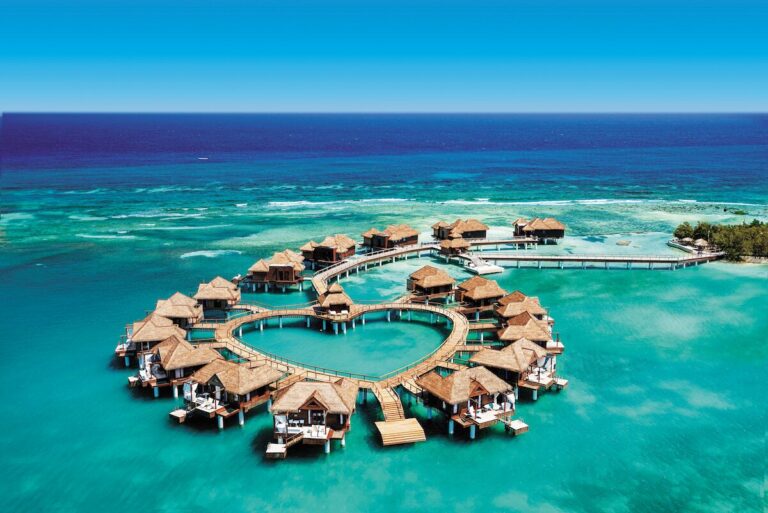
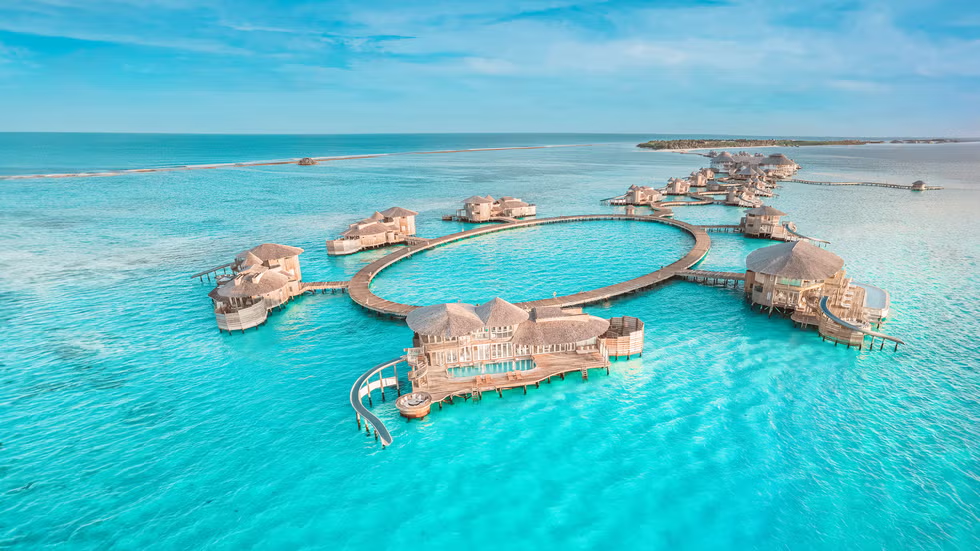
| Lagoon Atoll Bungalows | Over-water and beachfront open-air operational pods | Small mastermind groups & advisory boards | Immediate marine access; unique sensory environment | High weather vulnerability; acoustic bleed between units |
| Historic Heritage Estates | Restored colonial or cultural structures with enclosed courtyards | Academic, writing, and cultural think tanks | Rich architectural character; inspiring historical context | Inflexible room layouts; uneven modernization of utilities |
Realistic Decision Logic
Selecting among these categories requires an honest audit of group objectives. If a cohort requires high-intensity multimedia presentations, breakout software integration, and formal conference staging, a rustic eco-sanctuary will induce severe technical frustration. Conversely, if a group seeks silent meditation, digital detoxification, and natural contemplation, a large integrated marina compound will fail due to background resort noise and commercial distraction.
Detailed Real-World Scenarios
To understand how these operational categories function under pressure, consider several distinct group profiles navigating specific environmental challenges.
A: The Executive Strategy Session Impacted by Connectivity Failure
-
Context: A cohort of twelve C-suite executives convenes at a remote cliffside resort for a critical three-day financial restructuring retreat.
-
Constraints: The program relies entirely on real-time cloud data modeling, live video feeds to global headquarters, and continuous digital document collaboration.
-
Failure Mode: An unexpected undersea fiber-optic cable fault or satellite uplink glitch causes a complete collapse of high-speed internet access across the island.
-
Second-Order Effect: The primary objective of the retreat is paralyzed, forcing the executive team to spend valuable hours managing communication workarounds rather than executing strategic planning.
B: The Wellness Immersion Disrupted by Environmental Noise
-
Context: A thirty-person yoga and mindfulness retreat takes place at an open-air beachfront pavilion designed for absolute acoustic tranquility.
-
Constraints: The retreat schedule requires deep silence during sunrise and sunset meditation sessions.
-
Failure Mode: Unannounced heavy construction or marine dredging work begins on a neighboring leasehold parcel, introducing loud mechanical diesel engine noise throughout the morning sessions.
-
Second-Order Effect: The core value proposition of the wellness immersion is severely degraded, leading to participant dissatisfaction and reputational damage for the organizing retreat leader.
C: The Multi-Day Strategic Workshop Stranded by Weather
-
Context: A twenty-person creative agency team completes a five-day intensive workshop on a remote atoll, scheduled to depart on a Sunday afternoon.
-
Constraints: All participants are bound by strict international flight connections and professional obligations starting Monday morning.
-
Failure Mode: A sudden tropical squall grounds all regional seaplane transfers for forty-eight hours, trapping the entire cohort on the island.
-
Second-Order Effect: Acute logistical panic, missed professional commitments, and escalating accommodation costs absorbed either by the bruised organization or the hosting property.
Planning, Cost, and Resource Dynamics
Financial planning for remote island retreats requires looking past headline nightly room rates to account for hidden administrative and logistical friction costs unique to insular geography.
Direct vs. Indirect Costs
While room rentals and basic catering are easily calculated, indirect expenses frequently inflate baseline budgets by 30% to 50%. These include mandatory inter-island transfer fees, specialized audiovisual equipment rentals shipped from the mainland, resort-enforced service charges, and contingency buffers for weather-related extended stays.
| Cost Component | Budget Range (Low to High per Group/Week) | Strategic Impact & Variability |
| Base Accommodation & Buyout Fees | $15,000 – $150,000+ | Fixed structural cost; scales sharply with exclusive private island bookings. |
| Logistics & Inter-Island Transfers | $2,000 – $15,000 | Per capita dependent; highly vulnerable to fuel price spikes and weather re-routing. |
| Specialized Catering & Dietary Support | $5,000 – $25,000 | Captive market pricing; intense markup on specialized dietary provisions. |
| AV & Technical Infrastructure Rental | $1,500 – $10,000 | Essential for professional retreats; high freight cost to remote atolls. |
| Contingency & Weather Buffer | $5,000 – $30,000 | Non-negotiable financial reserve for extended stays due to maritime/aerial delays. |
Tools, Strategies, and Support Systems
Mitigating the inherent volatility of insular group travel requires deploying specific administrative tools and operational strategies prior to arrival.
-
Direct Institutional Outreach: Bypass booking platforms and establish direct email correspondence with the resort’s dedicated events director at least sixty days prior to arrival to map out spatial configurations, breakout needs, and power requirements.
-
Redundant Connectivity Verification: Mandate written verification of dual-provider internet redundancy (such as primary fiber backed by independent Starlink maritime terminals) before finalizing contracts for tech-dependent cohorts.
-
Dietary and Health Profiling Vault: Collect detailed medical, allergy, and nutritional preferences four weeks in advance to allow remote kitchens sufficient time to source specialty ingredients via scheduled cargo boats.
-
Structured Weather Contingency Protocols: Establish clear, pre-agreed financial and logistical protocols with the resort regarding who absorbs costs if weather events trap the cohort past their scheduled departure window.
-
Acoustic and Spatial Mapping: Request precise floor plans and video walkthroughs of meeting spaces to verify natural lighting, sound insulation, and proximity to high-traffic guest zones.
-
Pre-Arrival Technical Stress-Testing: Coordinate with the resort’s on-site IT engineers to test presentation display systems, audio mixing boards, and secure VPN stability prior to the opening session.
Risk Landscape and Failure Modes
The isolated nature of insular environments concentrates systemic vulnerabilities into specific, predictable failure cascades. Geographic isolation creates utility collapses affecting power grids and desalination operations, logistical isolations through cargo delays and fuel starvation, and communication silos that worsen inter-departmental friction during crises.
Compounding risks occur when secondary systems fail in response to primary shocks. For example, a severe storm damages underwater power cables, forcing reliance on backup diesel generators. If the resort’s operational coordination plan fails to immediately restrict high-draw amenities like air conditioning units and commercial kitchen freezers, the diesel generators will rapidly exhaust fuel reserves, triggering a total operational collapse that disrupts the retreat space. Recognizing these interconnected vulnerabilities allows leadership to build automated load-shedding protocols into their event planning.
Governance, Maintenance, and Long-Term Adaptation
Properties that maintain elite status over decades treat their retreat infrastructure not as an episodic repair cycle, but as an ongoing environmental governance model. Saltwater corrosion, high humidity, and intense ultraviolet radiation degrade physical hardware at an accelerated rate compared to mainland properties.
Review Cycles and Adjustment Triggers
Elite operators subject their group-hosting facilities to rigorous seasonal audits. Key triggers for structural adjustments include shifting demographic demands (e.g., a sudden influx of tech-sector cohorts requiring enhanced video-conferencing bandwidth), changing marine conditions affecting coastal acoustics, and feedback loops from event coordinators regarding spatial flow. Organizers booking stays should verify that a property has undergone recent technological and structural refurbishment, as tropical wear-and-tear accelerates faster than in standard urban hospitality environments.
Measurement, Tracking, and Evaluation
Assessing the ongoing success of an insular retreat requires distinguishing between superficial quantitative metrics and meaningful qualitative indicators.
-
Leading Indicators: Pre-arrival communication responsiveness from the resort events team, clarity of dietary data collection, and proactive confirmation of transfer logistics.
-
Lagging Indicators: Participant post-retreat evaluation scores regarding focus, environmental comfort, and acoustic privacy; the absence of logistical friction points during transitions; and the seamless execution of billing and departure routines.
-
Documentation Examples: Maintaining a post-retreat debrief log detailing flight performance, transfer wait times, meeting room technical stability, and staff responsiveness creates an invaluable proprietary asset for future journey planning.
Common Misconceptions and Oversimplifications
-
Myth: Any luxury island resort can successfully host a high-focus professional retreat.
-
Correction: Most luxury resorts are engineered for casual leisure, featuring high ambient noise, open-air public spaces, and minimal acoustic privacy required for confidential corporate work.
-
-
Myth: Modern satellite internet guarantees uninterrupted high-bandwidth connectivity on remote islands.
-
Correction: Heavy tropical downpours and dense cloud cover can severely degrade satellite signal integrity, causing sudden bandwidth throttling or complete drops.
-
-
Myth: All-inclusive group packages cover all specialized audiovisual and meeting support costs.
-
Correction: Most resort packages cover basic food and lodging, treating specialized meeting staging, breakout tech, and customized catering as high-fee add-ons.
-
-
Myth: Closer proximity to the mainland always guarantees better logistical responsiveness.
-
Correction: Some remote atolls maintain sophisticated private airstrips and dedicated cargo logistics that outperform congested mainland island chains experiencing regional backlogs.
-
-
Myth: Open-air tropical meeting spaces enhance creative output unconditionally.
-
Correction: Unconditioned open-air pavilions frequently expose participants to extreme humidity, distracting insect life, and unpredictable wind interference that disrupts audio recording and focus.
-
-
Myth: Weather patterns are uniform across an entire island group during retreat planning.
-
Correction: Tropical micro-climates frequently create distinct wet, windy, and dry zones on opposite sides of mountainous tropical islands, altering local retreat conditions dramatically.
-
Conclusion
Navigating the operational realities of remote island gathering spaces requires an absolute rejection of superficial marketing narratives. Insular properties exist in a delicate balance between natural beauty and severe logistical vulnerability. By implementing rigorous evaluative frameworks that account for cognitive friction, logistical resilience, spatial autonomy, and technical redundancy, event organizers and leadership cohorts can transform an inherently complex insular escape into a secure, harmonious, and enduringly productive enterprise. True excellence in remote retreat hosting is measured not by how a property performs on a clear afternoon, but by how seamlessly its internal systems absorb and neutralize friction when the environment is tested.